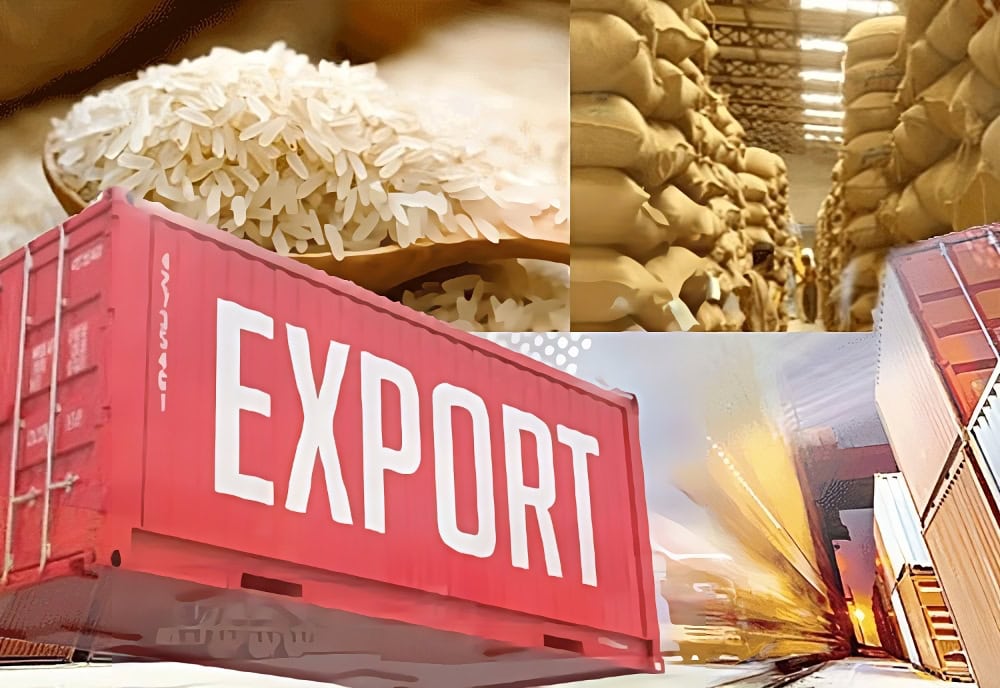
Logistics costs are always one of the factors that directly affect the profit of an exporting business. According to many studies, logistics costs can account for 10% to more than 20% of a product's cost, depending on the industry and the export market. Without effective management, a business faces high shipping costs, longer delivery times and reduced competitiveness. So how can you cut logistics costs while still ensuring delivery timelines and service quality?
Below are 10 practical solutions to help businesses optimize their supply chain and improve export efficiency.
Why Optimize Logistics Costs?
Logistics costs cover not only freight but also:
- Warehousing and yard storage costs.
- Packaging costs.
- Handling costs.
- Customs clearance costs.
- Cargo insurance costs.
- Order management and tracking costs.
- Costs arising from late delivery or errors.
Controlling these costs well helps a business:
- Increase profit.
- Improve cash flow.
- Enhance competitiveness.
- Deliver on time.
- Increase customer satisfaction.
1. Choose the Right Mode of Transport
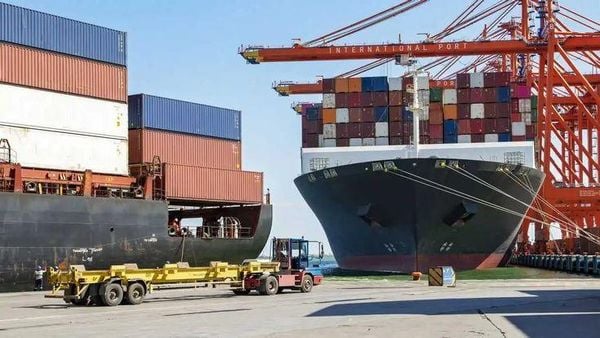
Not every shipment needs to travel by air or by sea. Each mode has its own advantages:
- Sea freight: Low cost, suitable for large volumes.
- Air freight: Fast but expensive.
- Road transport: Flexible for nearby markets.
- Rail transport: Suitable for certain international routes with stable demand.
Choosing the right mode based on the nature of the goods and the delivery timeline can significantly optimize logistics costs.
2. Optimize Packaging Size and Weight
Many carriers charge based on volumetric weight. Oversized packaging or poor packing raises shipping costs. Businesses should:
- Design packaging that fits the product.
- Minimize empty space inside the box.
- Use packaging materials that are light but sturdy.
- Optimize pallet and container dimensions.
Besides reducing freight, optimized packaging also makes the most of the available shipping space.
3. Consolidate Cargo or Optimize Container Capacity
If you don't have enough cargo for a full container (FCL), you can choose to:
- Consolidate cargo (LCL).
- Combine multiple orders.
- Group several orders on the same route.
Conversely, businesses with large volumes should optimize container loading to make the most of the capacity and avoid wasting space.

4. Plan Shipments Early
Booking a vessel or aircraft close to the shipment date usually means paying a higher rate. Planning early helps you:
- Proactively choose the vessel schedule.
- Have more transport options.
- Avoid peak-season surcharges.
- Reduce the risk of space shortages.
Especially during holidays, year-end or peak export seasons, booking in advance can save considerable costs.
5. Work With a Reputable Freight Forwarder
An experienced freight forwarder not only supports transport but also helps a business:
- Advise on the optimal shipping route.
- Negotiate competitive rates.
- Track the cargo's schedule.
- Support customs procedures.
- Handle issues that arise.
Thanks to a wide partner network and large shipping volumes, freight forwarders often secure better prices than a business working with each supplier on its own.
6. Prepare Accurate Customs Documents
Errors in documentation can lead to:
- Delayed clearance.
- Physical inspection of goods.
- Warehousing charges.
- Container charges.
- Costs to amend documents.
Businesses should carefully check the Invoice, Packing List, Bill of Lading, Certificate of Origin (C/O), HS code, declared value and more. An accurate set of documents helps goods clear customs faster and reduces extra costs.
7. Apply Technology to Logistics Management
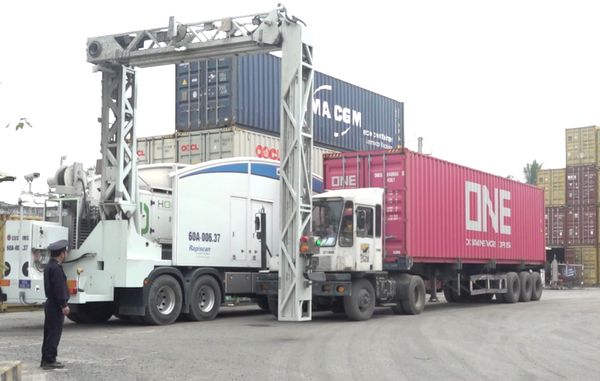
Logistics management software helps a business:
- Track orders in real time.
- Manage inventory.
- Plan transport.
- Monitor costs.
- Analyze operational performance.
Digitizing the process not only saves time but also reduces errors during handling.
8. Manage Inventory Effectively
Too much inventory increases:
- Warehousing costs.
- Preservation costs.
- Insurance costs.
- The risk of goods becoming obsolete.
Conversely, too little inventory can leave a business unable to fulfill orders in time. It is therefore essential to build a sound inbound-outbound-inventory plan that balances cost with supply capability.
9. Invest in the Right Packaging to Limit Damage
Goods damaged in transit bring many costs, such as compensation, returns, reshipment and late delivery.
Businesses should choose packaging solutions suited to each type of goods, for example:
- Desiccant bags to control humidity.
- Oxygen absorbers to extend the shelf life of food.
- Anti-rust materials for metal components.
- Dunnage air bags to secure goods inside the container.
- Temperature monitoring devices for refrigerated goods or food.
Investing properly in preservation solutions from the start significantly reduces the costs of damaged goods.

10. Track and Review Logistics Costs Regularly
Businesses should regularly analyze metrics such as:
- Logistics cost as a share of revenue.
- Shipping cost per order.
- On-time delivery rate.
- Damage rate.
- Customs clearance time.
- Warehousing costs.
Regular monitoring helps identify weak spots early and implement timely improvements.
Mistakes That Drive Logistics Costs Up
Many businesses unintentionally raise logistics costs by:
- Not planning shipments.
- Choosing the wrong mode of transport.
- Sub-optimal packaging.
- Missing documents or incorrect declarations.
- Not tracking the shipping schedule.
- Not comparing quotes from multiple logistics providers.
- Not reviewing supply chain performance regularly.
These mistakes can lead to extra costs far greater than the investment needed to optimize the process from the start.
The Benefits of Optimizing Logistics Costs
Applying the solutions above brings many benefits:
- Lower total operating costs.
- Higher profit for the business.
- Stronger price competitiveness.
- Fast, on-time delivery.
- Reduced risk during transport.
- Improved customer experience.
- A stable, sustainable supply chain.
In an increasingly competitive export market, a business with optimized logistics costs enjoys a strong advantage in expanding markets and growing sales.
Conclusion
Cutting logistics costs does not mean cutting service quality; it means optimizing the entire supply chain. From choosing the mode of transport, optimizing packaging and preparing accurate documents, to a reputable freight forwarder and management technology, every solution helps save costs and boost efficiency. For exporters, building a well-structured logistics strategy not only reduces costs but also lays the foundation for sustainable long-term growth.
If you are looking for a reputable, quality freight forwarder, contact Embassy Freight now at Hotline: 0936 911 656 for prompt advice and a quotation!
Need a shipping quote or import-export support?
Embassy Freight provides end-to-end ocean freight, air freight, customs clearance and outsourced import-export staffing. Get a free quote or explore our services.