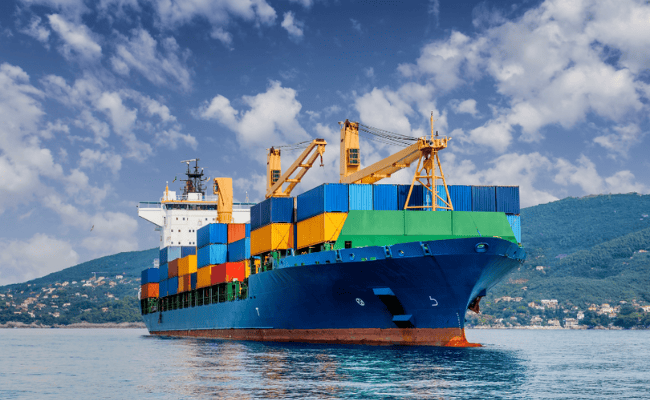
Cat Lai Port is Vietnam's largest container port, receiving and handling millions of TEUs every year. It is a vital import-export gateway for the southern region, serving thousands of businesses in manufacturing, trade, and logistics.
Because of this high cargo volume, understanding the container clearance process at Cat Lai Port helps you take charge of your delivery schedule, reduce waiting time, and limit extra costs such as demurrage, storage, and late-container-return fees.
The article below provides a detailed, step-by-step guide to the container customs clearance process at Cat Lai Port, from when the goods arrive at the port until the container leaves it.
What Is Container Customs Clearance?
Container customs clearance is the process by which customs authorities review the dossier, cross-check the declared information, and decide whether to allow the containerized goods to be imported or exported in accordance with the law. This process involves several steps, such as:
- Preparing the documents.
- Filing the electronic customs declaration.
- Classifying the declaration channel.
- Paying taxes.
- Specialized inspection (if any).
- Physical inspection (for the red channel).
- Completing the container pick-up procedures.
Customs declaration is now carried out through the VNACCS/VCIS system in accordance with customs regulations.

Step 1: Receive the Arrival Notice
When the vessel docks at Cat Lai Port, the shipping line or freight agent sends the Arrival Notice to the business. This notice usually includes:
- The vessel name.
- The voyage number.
- The vessel arrival date.
- The bill of lading number.
- The container number.
- The location for collecting the delivery order.
This is the basis on which the business prepares its dossier and proceeds with the next procedures.
Step 2: Prepare the Customs Dossier
A container clearance dossier usually includes:
- The electronic customs declaration.
- The Commercial Invoice.
- The Packing List.
- The Bill of Lading.
- The foreign trade contract.
- The Certificate of Origin (C/O), if any.
- The import license (for goods subject to management).
- The catalogue or technical documentation, when needed.
The information across the documents must be consistent in terms of goods description, quantity, weight, value, and consignee to avoid declaration amendments.
Step 3: File the Electronic Customs Declaration
The business uses declaration software connected to the VNACCS/VCIS system to transmit the declaration. The information covers: the importer, the exporter, the goods description, the HS code, the quantity, the weight, the value, the delivery terms, the port of discharge, the mode of transport, and so on. Once received, the system issues a declaration number and automatically classifies the channel.

Step 4: Customs Channel Classification
After the declaration is transmitted, the system classifies it into one of three channels:
Green Channel
- Exempt from document inspection.
- Exempt from physical inspection of the goods.
- Only tax obligations need to be settled for clearance.
Yellow Channel
- Document inspection.
- Supplementary documents may be requested if anything is missing or unclear.
Red Channel
- Document inspection.
- Physical inspection of the container before the clearance decision.
Businesses must monitor the declaration status regularly to respond promptly to any requests from customs.
Step 5: Pay Taxes and Other Charges
Once the declaration is accepted, the business pays:
- Import duty.
- Value-added tax (VAT).
- Special consumption tax (if any).
- Environmental protection tax (if applicable).
Electronic tax payment lets the system update quickly and shortens clearance time.
Step 6: Specialized Inspection (If Any)
Some goods must also undergo:
- Plant quarantine.
- Animal quarantine.
- Quality inspection.
- Food safety inspection.
- Declaration of conformity.
Businesses should complete these procedures before the goods arrive at the port to avoid waiting time.
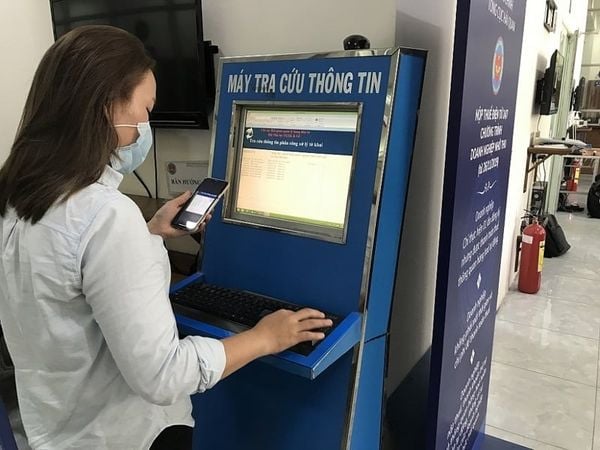
Step 7: Container Physical Inspection (For the Red Channel)
If the container is in the red channel, the business needs to:
- Book an inspection appointment.
- Prepare a complete dossier.
- Move the container to the inspection area as instructed.
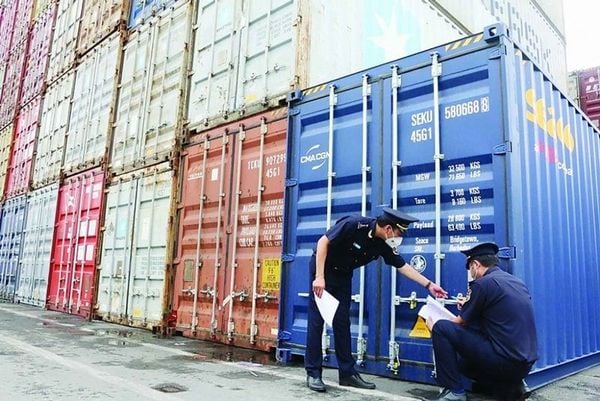
- Coordinate with customs officers during the inspection.
Customs will compare the actual goods against the declared content in terms of:
- The goods description.
- The type.
- The quantity.
- The specifications.
- The markings.
- The container number.
- The seal number.
If no discrepancy is found, the container is processed further for clearance.
Step 8: Liquidate the Declaration and Pass the Supervision Area
After the above steps, the system confirms the container is eligible to pass the customs supervision area. The business then:
- Liquidates the declaration.
- Completes the procedures at the port.
- Prints or uses electronic documents as required to receive the container.
- Dispatches a truck into the port to collect the container.
A container is only allowed to pass the supervision area once the declaration is in a cleared status or is permitted to leave the supervision area under the regulations.
Step 9: Collect the Container and Transport It to the Warehouse
After completing the procedures:
- Pay the lift-on/lift-off fees.
- Pay the storage fees (if any).
- Collect the container.
- Check the container's condition before leaving the port.
- Transport the goods to the company's warehouse.
For containers borrowed from the shipping line, the business must return the empty container on time to avoid demurrage charges.
Common Errors in Container Clearance
Some common errors include:
- An incorrect HS code.
- Missing documents.
- Incorrect information on the invoice or packing list.
- Late tax payment.
- A missing specialized license.
- An incorrect container or seal number.
- Failing to monitor the channel classification result.
These errors can prolong clearance and generate many extra costs.
Tips for Fast Container Clearance
To keep clearance running smoothly, businesses should:
- Prepare a complete dossier before the goods arrive.
- Declare the correct HS code.
- Carefully check all the documents.
- Complete specialized inspection early.
- Monitor the declaration status regularly.
- Pay taxes as soon as the notice arrives.
- Work with an experienced customs service provider.
Benefits of Using a Customs Service
Using a customs declaration service helps businesses to:
- Save time.
- Reduce declaration errors.
- Receive accurate advice on HS codes and goods policy.
- Get support handling yellow- and red-channel cases.
- Monitor the entire clearance process.
- Cut storage and demurrage costs.
This is a suitable solution for new businesses or those with a large volume of import-export containers.
Conclusion
Mastering the clearance process at Cat Lai Port helps you stay in control of your import-export plan, minimize risk, and optimize costs. From dossier preparation, electronic declaration, and channel handling to tax payment, physical inspection, and container collection, each step must be carried out accurately for the goods to be cleared.
For businesses with a high import-export frequency or a wide range of goods, partnering with a professional customs service provider helps optimize the process, limit errors, and keep delivery on schedule.
We are committed to delivering the most effective solutions that save time, cut costs, and minimize risks throughout the customs clearance process at Cat Lai Port. Contact Embassy Freight now via Hotline: 0936911656 for the fastest consultation and quote!
Need a quote for shipping & import-export procedures?
Embassy Freight provides ocean freight, air freight, customs clearance, and full-service import-export back-office solutions. Get a free quote or explore our services.