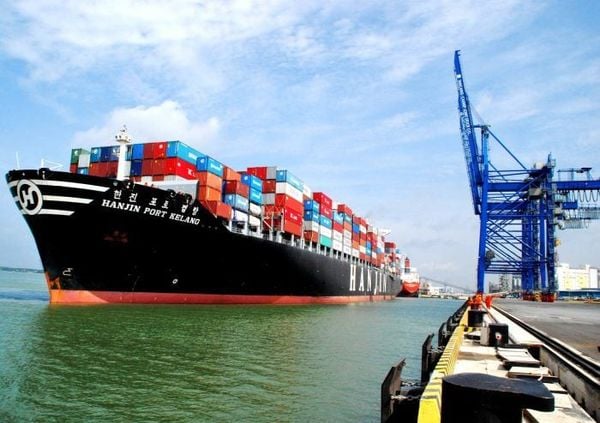
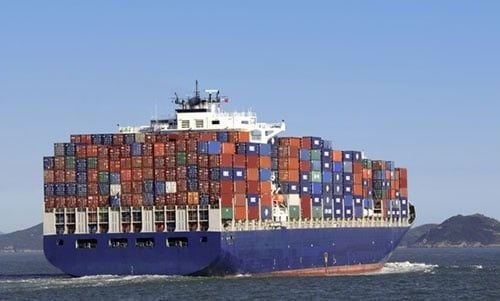
Cai Mep Port is one of Vietnam's largest deep-water port clusters and plays an important role in import-export activity. With its ability to receive large-tonnage container vessels sailing directly to many international markets, the volume of cargo handled through the port keeps rising every year.
For this reason, a clear understanding of the customs declaration process at Cai Mep Port is an important factor in ensuring fast clearance, limiting risks and optimizing costs. In this article, we provide a detailed guide to the customs declaration process from document preparation to clearance of the goods.
What Is Customs Declaration at Cai Mep Port?
Customs declaration is the process of providing information about exported or imported goods to the customs authority through the electronic system. Based on the declared information, the customs authority inspects, calculates taxes, applies management policies and decides on the clearance of the goods.
For goods imported and exported through Cai Mep Port, declaration is currently carried out mainly on the VNACCS/VCIS electronic customs system, which shortens processing time and improves transparency.
Documents to Prepare
To ensure the declaration goes smoothly, businesses should prepare the following documents in full:
- Commercial Invoice.
- Packing List.
- Foreign trade contract.
- Bill of Lading.
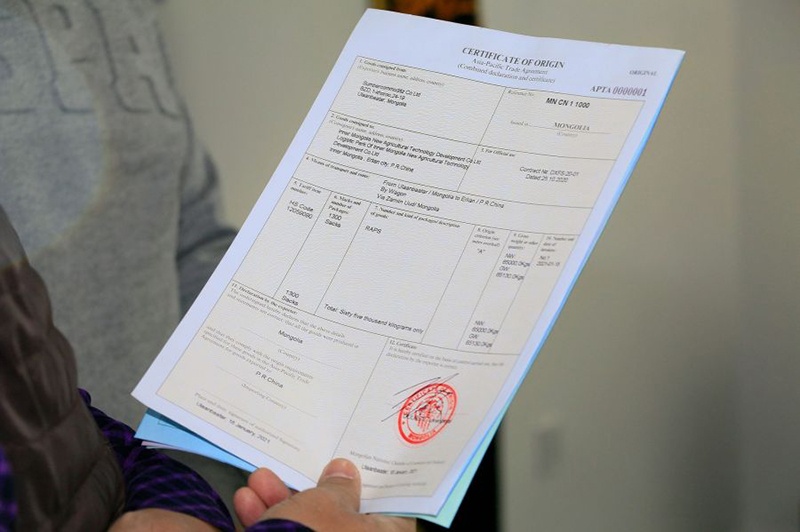
- Certificate of Origin (C/O), if available.
- Catalogue or technical documentation for certain items.
- Import or export license if the goods are subject to specialized management.
- Quarantine or quality inspection documents as required.
Carefully checking the documents before declaring helps reduce the risk of having to amend the declaration or supplement paperwork.
The Customs Declaration Process at Cai Mep Port
Step 1: Check the Product Information
Before opening a declaration, the business needs to determine:
- The product name.
- The HS code.
- The applicable tax rate.
- The management policy.
- Import or export conditions.
- Whether it is subject to specialized inspection.
This is an important step that helps limit errors during the declaration process.
Step 2: Prepare the Documentation
After determining all the information, the business prepares the entire file and checks the consistency between documents. Information such as product name, quantity, weight, value, delivery terms and consignee must be identical across all documents.
Step 3: Declare on the VNACCS System
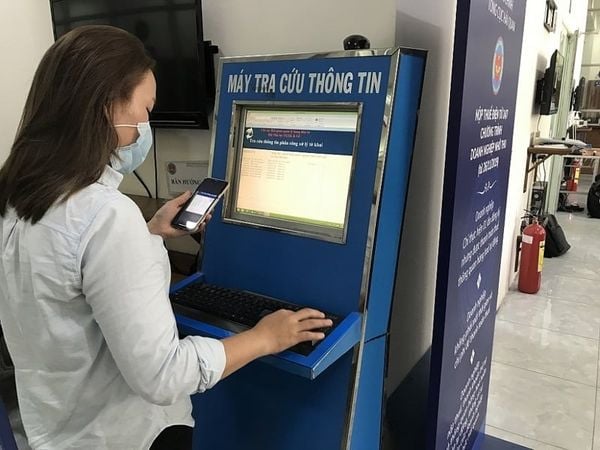
The business uses electronic customs declaration software to enter all shipment information in full and transmit the data to the VNACCS system. Once received, the system checks the data and issues a declaration number if the file is valid.
Step 4: Customs Channel Assignment
After the declaration is registered, the system automatically assigns a channel under the risk management mechanism.
Green channel
- Exempt from document inspection.
- Exempt from physical inspection of goods.
- Fast clearance once tax obligations are fulfilled.
Yellow channel
- Document inspection.
- Additional documents may be requested if needed.
Red channel
- Document inspection.
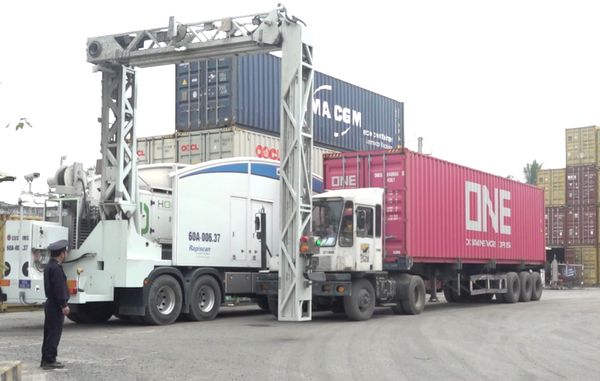
- Physical inspection of goods before clearance.
Which channel a business is assigned to depends on several factors such as compliance history, type of goods and risk level.
Step 5: Pay Taxes
If the goods incur taxes, the business must complete:
- Import duty.
- Value-added tax (VAT).
- Special consumption tax (if any).
- Fees as required.
Electronic tax payment allows the system to update faster and shortens clearance time.
Step 6: Specialized Inspection
For items subject to special management, the business must carry out procedures such as:
- Plant quarantine.
- Animal quarantine.
- Quality inspection.
- Food safety inspection.
- Declaration of conformity.
Only once these requirements are met are the goods eligible for clearance.
Step 7: Clearance and Receipt of Goods
Once the documentation is valid, tax obligations are fulfilled and inspection requirements are met, the customs authority will approve clearance. The business can then complete the procedures to receive the goods at the port and move them to the warehouse or deliver them to customers as planned.
Common Mistakes
During customs declaration at Cai Mep Port, businesses often make errors such as:
- Declaring the wrong HS code.
- Incorrect value of the goods.
- Missing documents.
- Not obtaining the import license.
- Inconsistent paperwork.
- Declaring the wrong product name.
- Late tax payment.
- Not preparing documents for specialized inspection.
These errors can cause goods to be delayed in clearance and incur significant extra costs.
Tips for Faster Clearance
To ensure smooth clearance, businesses should:
- Prepare complete documentation before the goods arrive at port.
- Determine the HS code accurately.
- Carefully check the documents before transmitting the declaration.
- Proactively obtain licenses for conditional goods.
- Fulfill tax obligations on time.
- Monitor the declaration status regularly.
- Use professional customs declaration services for complex shipments.
Why Use Professional Customs Services?
For businesses with little experience or a high volume of import-export activity, using customs services offers many benefits, such as:
- Time savings in processing.
- Fewer declaration errors.
- Accurate advice on HS codes and tax rates.
- Support in dealing with the customs authority.
- Tracking of clearance progress.
- Quick handling of issues as they arise.
- Optimized logistics costs.
Conclusion
A clear understanding of the customs declaration process at Cai Mep Port from A to Z helps businesses take a more proactive approach to import-export operations, limit errors and improve logistics efficiency. Preparing complete documentation, declaring accurately and complying with regulations not only speeds up clearance but also helps reduce costs and strengthen competitiveness.
We are committed to delivering optimal solutions that save time, cut costs and minimize risks in the customs declaration process at Cai Mep Port. Contact Embassy Freight now via Hotline: 0936911656 for prompt advice and a quote!
Need a freight & customs quote?
Embassy Freight supports ocean and air freight, customs declaration and full-service import-export department outsourcing. Get a free quote or view our services.