Machinery and equipment are imported and exported in large volumes, serving many sectors such as industrial manufacturing, construction, mechanical engineering, electrical and electronics, food and healthcare. However, this is also a category with fairly complex customs declaration rules, because each type of machine has its own HS code, management policy and documentation requirements.
A single mistake during declaration can push a shipment into the yellow or red channel, prolong clearance time or trigger additional costs. Businesses therefore need to understand the key points before carrying out customs procedures for machinery and equipment.
Characteristics of Machinery and Equipment
Compared with many other categories, machinery and equipment usually feature:
- High cargo value.
- Many different types and models.
- Complex technical construction.
- Numerous accompanying components.
- Large size and weight.
- Possible subjection to specialized management.
As a result, Customs authorities often examine documentation and declared information carefully to ensure accurate classification and duty assessment.

Customs Documents to Prepare
For machinery shipments, businesses generally need to prepare the following documents in full:
- Customs declaration.
- Commercial Invoice.
- Packing List.
- Foreign trade contract.
- Bill of Lading or Air Waybill.
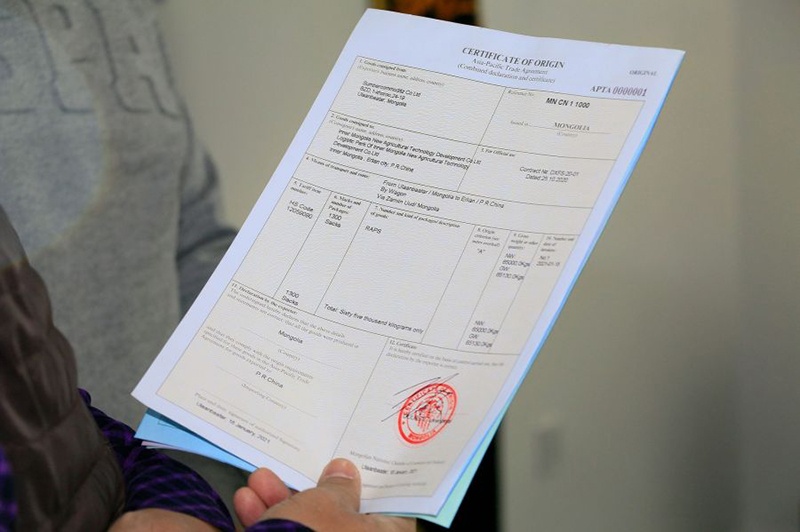
- Certificate of Origin (C/O), if available.
- Catalogue or technical documentation.
- Import license (if subject to management).
- Specialized inspection documents (if applicable).
Preparing complete documentation from the outset helps shorten clearance time and reduces the need to submit supplementary paperwork.
1. Determine the Correct HS Code
This is the most important factor in a customs declaration. The HS code determines:
- Import duty.
- Value Added Tax (VAT).
- Management policy.
- Import conditions.
- Specialized inspection requirements.
If the wrong HS code is applied, a business may:
- Face duty arrears.
- Be subject to administrative penalties.
- Have to amend the declaration.
- Be routed to an inspection channel.
For multi-function machinery, the main function must be identified in order to select the appropriate HS code in accordance with regulations.
2. Describe the Goods in Detail
- Avoid overly generic declarations such as: Machine, Equipment, Spare Parts.
- The description should include: machine name, model, manufacturer, capacity, voltage, function, year of manufacture (if needed) and condition of the goods (new or used).
A clear description helps Customs classify the goods easily and reduces the risk of having to provide explanations.
3. Check Specialized Management Policies
Some types of machinery may be subject to: quality inspection, safety inspection, technical appraisal, an import license, conformity certification, and more. Businesses should research these in advance to prepare complete documentation and avoid clearance delays.

4. Prepare the Catalogue and Technical Documentation
The catalogue is a very important document for machinery. Through the catalogue, Customs can determine the construction, function, technical specifications, operating principle, intended use and more. Providing complete technical documentation helps speed up the HS code classification process.
5. Declare the Cargo Value Accurately
The declared value must be consistent with:
- The Commercial Invoice.
- The foreign trade contract.
- The payment documents.
If the declared value is unusually low compared with the Customs database, the business may be required to:
- Justify the value.
- Attend a value consultation.
- Provide additional documents.
This will prolong clearance time and may generate extra costs.
6. Check Used Machinery
For used machinery, businesses should note: regulations on equipment age, quality standards, remaining performance, and current import regulations. Certain used machines may only be imported if they meet the conditions set by state management agencies.
7. Declare All Accompanying Parts and Components
Machinery is often accompanied by accessories, spare parts, controllers, cables, user manuals, and more. Businesses need to declare these in full to avoid discrepancies between the documentation and the actual goods during inspection.
8. Pay Attention to the Delivery Terms (Incoterms)
Delivery terms affect:
- The dutiable value.
- Freight costs.
- Insurance costs.
- The responsibilities of each party.
Businesses should clearly state the delivery terms on the Commercial Invoice and the declaration, for example:
- FOB Ho Chi Minh City – Incoterms® 2020.
- CIF Hai Phong – Incoterms® 2020.

9. Check Consistency Across Documents
Information across the documents must be consistent in terms of: product name, model, quantity, weight, value, delivery terms, buyer and seller. Discrepancies between the Commercial Invoice, Packing List and Bill of Lading are a common reason for Customs to request supplementary documentation.
10. Work with an Experienced Customs Broker or Freight Forwarder
For high-value machinery shipments or those with complex technical requirements, working with an experienced partner helps to:
- Determine the correct HS code.
- Prepare complete documentation.
- Minimize errors.
- Track clearance progress.
- Handle any issues quickly.
This is a solution that helps businesses save time and reduce risk.
Common Mistakes When Declaring Machinery and Equipment
- Applying the wrong HS code.
- Incomplete description of the goods.
- Missing catalogue.
- Incorrect value declaration.
- Missing specialized licenses.
- Failing to declare accompanying accessories.
- Wrong model or manufacturer information.
- Inconsistent documents.
These mistakes can force a business to amend the declaration, submit supplementary paperwork or bear additional costs.
How to Clear Machinery Faster
To ensure smooth clearance, businesses should:
- Prepare documentation before the goods arrive at port.
- Determine the exact HS code.
- Prepare the catalogue and technical documentation.
- Carefully check the Commercial Invoice and Packing List.
- Proactively complete specialized inspection procedures.
- Track the progress of the documentation and respond promptly when Customs requests additions.
Thorough preparation helps reduce the risk of container demurrage, storage fees and delayed delivery.
Conclusion
Machinery and equipment are a high-value category with relatively complex customs declaration requirements. Preparing complete documentation, determining the correct HS code, describing the goods in detail and complying with specialized management regulations will help businesses reduce risk, shorten clearance time and lower additional costs.
In addition, regularly updating new regulations and working with an experienced customs broker or Freight Forwarder will help improve the efficiency of import-export operations and ensure smooth clearance. If you are looking for a reputable, high-quality provider of customs declaration services, contact Embassy Freight right away via Hotline: 0936 911 656 for the earliest possible consultation and quotation!
Need a shipping and import-export quotation?
Embassy Freight provides sea freight, air freight, customs declaration and turnkey import-export outsourcing. Get a free quote or explore our services.