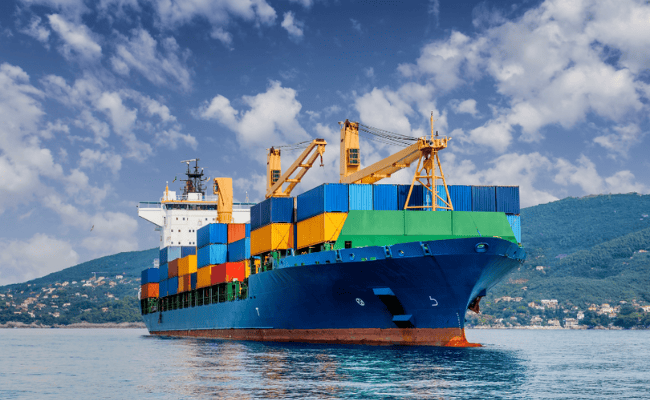
Cai Mep Port is one of Vietnam's most important import-export gateways, home to many companies engaged in processing, export manufacturing and logistics. With its modern deep-water port system and international shipping lanes, Cai Mep Port is the choice of many businesses that import raw materials and export processed products to major markets such as the United States, Europe, Japan and South Korea.
For companies carrying out processing contracts with foreign partners, a clear understanding of the customs procedures for processing goods via Cai Mep Port helps import-export operations run smoothly, reduces errors and ensures compliance with the law.
What Are Processing Goods?
Processing goods are goods, raw materials or supplies delivered by a foreign party to a Vietnamese company to be processed under a contract. Once completed, the products are exported back to the partner or handled as agreed in the contract. Processing activities include:
- Importing raw materials and supplies.
- Importing machinery and equipment for processing (if any).
- Manufacturing under the processing contract.
- Exporting the finished processed products.
- Handling surplus materials, scrap and defective products in accordance with regulations.
Goods used for processing undergo customs clearance at the Customs Sub-Department managing the enterprise or at the location of its production facility, and are declared under the processing regime on the electronic customs system.

Customs Documentation for Processing Goods
When carrying out customs procedures at Cai Mep Port, businesses need to prepare the following documents in full:
- Electronic customs declaration.
- Processing contract with the foreign partner.
- Commercial Invoice.
- Packing List.
- Bill of Lading.
- List of raw and auxiliary materials (if required).
- Import license for goods subject to specialized management.
- Certificate of Origin (C/O), if available.
- Specialized inspection documents as required.
Businesses must ensure that the information across all documents is consistent in terms of product name, quantity, value, specifications and delivery terms to avoid having to amend the declaration.
The Customs Procedure for Processing Goods
Step 1: Sign the Processing Contract
Before importing raw materials, the business and its foreign partner must sign a processing contract. The contract usually sets out:
- Information on the parties.
- List of raw materials.
- List of processed products.
- Consumption norms.
- Duration of performance.
- Delivery terms.
- Payment method.
This serves as the basis for the business to carry out the related customs procedures.
Step 2: Prepare the Documentation
The business checks all documents before declaring.
Particular attention should be paid to:
- HS code.
- Declared value.
- Product name.
- Unit of measure.
- Container number.
- Seal number.
- Exporter and importer details.
Preparing complete documentation helps reduce the risk of being asked for additional papers.
Step 3: Electronic Customs Declaration
The business uses software connected to the VNACCS system to file the declaration.
Once received, the system will:
- Check the data.
- Issue a declaration number.
- Assign an inspection channel.
Electronic declaration shortens processing time and improves management efficiency.
Step 4: Customs Channel Assignment
After the declaration is registered, the system automatically assigns a channel.
Green Channel
- Exempt from document inspection.
- Exempt from physical inspection of goods.
- Fast clearance once statutory obligations are fulfilled.
Yellow Channel
- Document inspection.
- Additional documents may be requested.
Red Channel
- Document inspection.
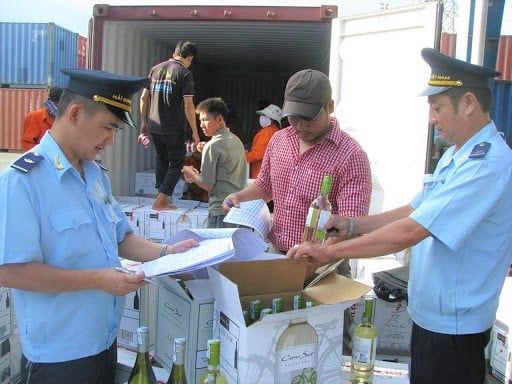
- Physical inspection of goods before clearance.
Channel assignment is based on the risk management mechanism and the enterprise's level of compliance.

Step 5: Specialized Inspection (If Applicable)
Some raw materials or processed products subject to specialized management may additionally require:
- Plant quarantine.
- Animal quarantine.
- Quality inspection.
- Food safety inspection.
- Other specialized procedures as required.
Businesses should complete these procedures before the goods arrive at port to avoid prolonging clearance time.
Step 6: Clearance and Delivery to the Factory
Once the documentation is valid and inspection requirements are met, customs will approve clearance. The business then proceeds to:
- Obtain the delivery order.
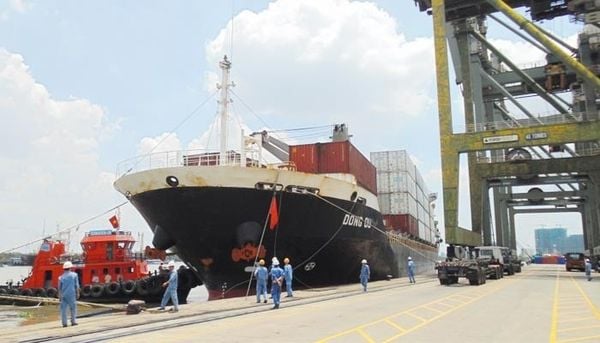
- Complete the procedures at the port.
- Transport the raw materials to the production facility.
For processed goods being exported, the business follows a similar process to open the export declaration and load the goods onto the vessel.
Key Points When Handling Processing Goods
Throughout the performance of a processing contract, businesses should note the following:
- Declare the correct customs regime.
- Apply the correct HS codes for materials and products.
- Track the quantity of materials imported and used.
- Manage consumption norms.
- Keep complete records.
- Submit the final settlement report on time as required.
Managing data well helps businesses when customs conducts inspections or post-clearance audits.
Common Errors When Declaring Customs at Cai Mep Port
Some common mistakes include:
- Declaring the wrong HS code.
- Declaring the wrong processing regime.
- Missing the processing contract.
- Incorrect material quantities.
- Failing to fully declare consumption norms.
- Missing specialized documents.
- Discrepancies between the paperwork and the actual goods.
- Not tracking raw material inventory.
These errors can slow down clearance or trigger requests for explanation.
Benefits of Using Customs Services at Cai Mep Port
For processing businesses, using professional customs services offers many benefits:
- Advice on the correct declaration regime.
- Document review before transmitting the declaration.
- Support in determining HS codes.
- Tracking of clearance progress.
- Support with specialized inspection.
- Advice on final settlement reports for processing goods.
- Fewer errors and time savings.
Conclusion
Customs procedures for processing goods via Cai Mep Port require complete documentation, correct regime declaration and full compliance with regulations, which not only speeds up clearance but also reduces risks related to taxes, post-clearance audits and extra costs.
For businesses just starting processing operations or regularly working with foreign partners, choosing a professional customs service helps optimize the process, save time and improve import-export efficiency.
We are committed to delivering optimal solutions that save time, cut costs and minimize risks in the customs clearance process at Cai Mep Port. Contact Embassy Freight now via Hotline: 0936911656 for prompt advice and a quote!
Need a freight & customs quote?
Embassy Freight supports ocean and air freight, customs declaration and full-service import-export department outsourcing. Get a free quote or view our services.