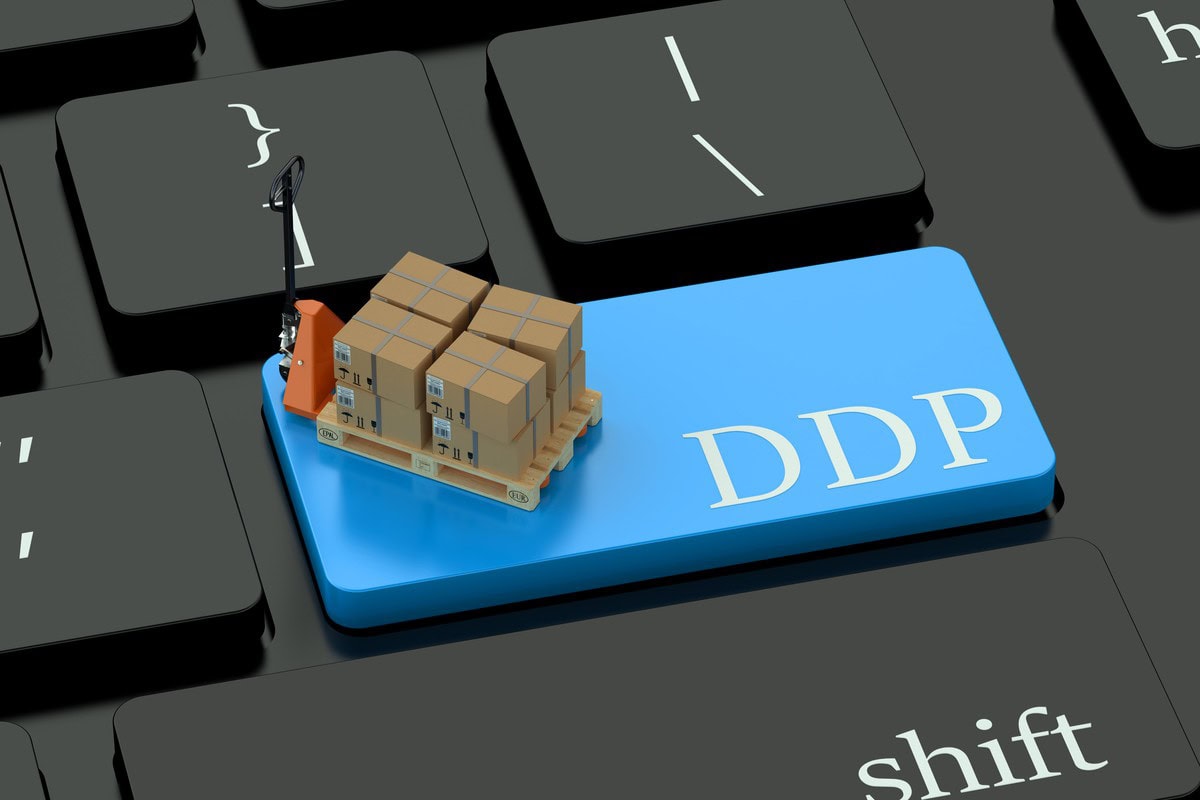
What Is the Incoterms DDP Condition?
The Incoterms DDP (Delivered Duty Paid) condition in import-export is an agreement on the delivery of goods between the seller and the buyer. Under this condition, the seller is responsible for delivering the goods to the agreed location in the importing country.
What is special is that the seller must bear all the costs and risks related to transporting the goods to the destination, including bearing the tax costs and customs procedures.
The seller must ensure that the goods have cleared customs and are ready for delivery at the agreed location. This requires the seller to clearly understand the customs and tax regulations of the importing country in order to carry out the related procedures.
The DDP condition is often used in cases where the seller wants to ensure the buyer does not have to worry about customs clearance and the costs related to the goods. However, the buyer needs to be ready to receive the goods and bear the risk after the goods have been delivered.
Some important points to note when using the DDP condition:
- The seller must have knowledge of the customs and tax regulations of the importing country.
- The buyer needs to be sure they are ready to receive the goods at the agreed location.
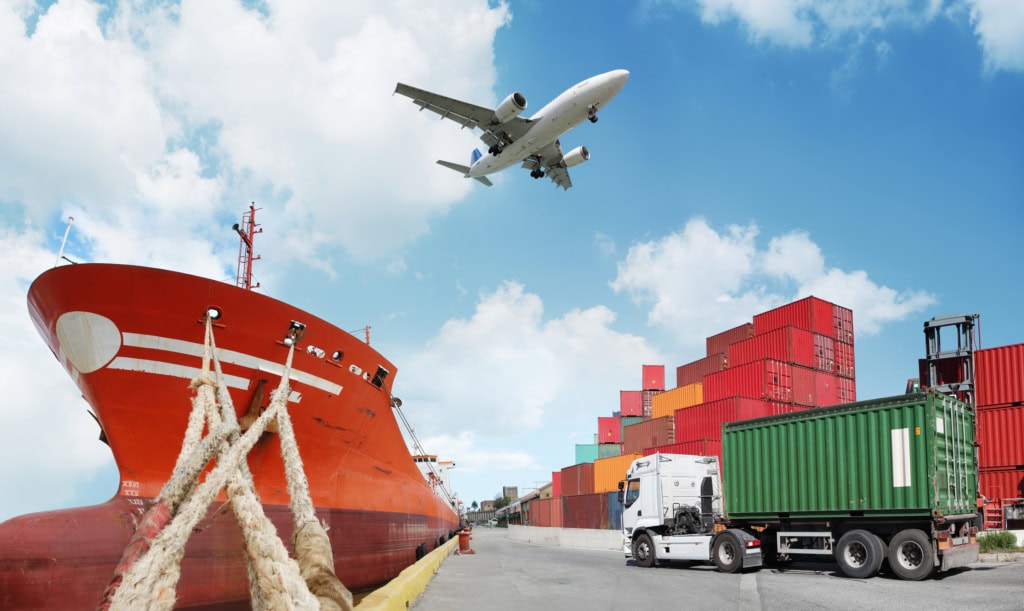
- DDP does not require any distinction as to the mode of transport; any method can be used.
- DDP usually applies to sea, road, air, and other modes of transport.
Overall, the DDP condition helps optimize the delivery process and reduce the burden on the buyer in handling customs and tax procedures.
>>>See Also: Shipping Goods to the US by Sea — Cheap Rates, No Weight Limit
What Is DDP Import?
DDP (Delivered Duty Paid) is a delivery condition in import-export:
DDP (Delivered Duty Paid) is a condition in Incoterms (International Commercial Terms) that defines the rights and responsibilities of the seller and the buyer in the process of delivering goods and handling the related costs when goods are transported from the seller to the buyer.
Under the DDP condition, the seller is responsible for delivering the goods to the agreed location in the importing country. This includes all the expenses and risks until the goods reach the destination, including bearing the tax costs and customs procedures.
Key points related to DDP:
- Delivery to the agreed location: The seller is responsible for delivering the goods to the location designated by the buyer. The buyer does not have to take part in the transport process.
- Costs and risks: The seller must bear all the costs and risks related to the goods until they reach the destination.
- Tax and customs procedures: The seller is responsible for paying all the taxes, fees, and customs procedures necessary to bring the goods into the importing country.
- No distinction on transport: The DDP condition does not require any distinction as to the mode of transport. This means the seller can use any mode of transport to bring the goods to the agreed location.
- Risks after delivery: Once the goods have been delivered to the agreed location, the subsequent risks pass to the buyer.
Costs and Responsibilities Under the DDP Condition
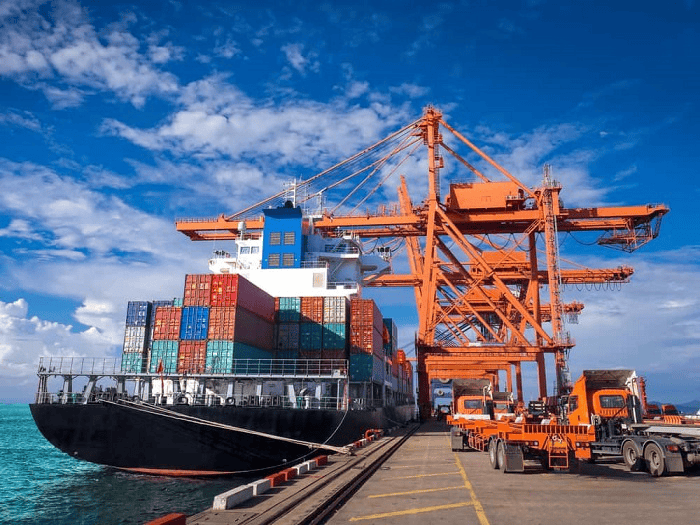
Under the DDP (Delivered Duty Paid) delivery condition in import-export, the seller bears the responsibilities and costs related to transporting the goods to the agreed location in the importing country.
Under this condition, the buyer does not need to take part in the transport process and does not have to pay the costs incurred during it. Below are some important points about costs and responsibilities under the DDP condition:
- Transport costs: The seller bears the responsibilities and costs related to transporting the goods from their place of production or warehouse to the agreed location in the importing country. This includes transport fees, insurance, and other costs related to the transport process.
- Tax and customs procedure costs: The seller bears the responsibilities and costs related to clearing the goods through customs in the importing country. This includes customs fees and taxes, import fees, and the costs related to customs procedures.
- Domestic transport costs: If necessary, the seller must also bear the domestic transport costs to bring the goods from the port, airport, or point of import to the final agreed location.
- Risk until the goods reach the destination: The seller is responsible for the goods until they are delivered to the agreed location. If any risk occurs during transport, the seller must take responsibility and resolve the issue.
- Preparing cleared goods: The seller must ensure that the goods have cleared customs in the importing country and are ready for delivery at the agreed location.
Some points to note when using the DDP condition:
Prepare well in advance: The seller needs to ensure they clearly understand the customs and tax regulations of the importing country in order to meet all requirements and avoid difficulties during delivery.
Prepare carefully: The buyer needs to ensure they are ready to receive the goods at the agreed location and bear the risk after the goods have been delivered.
In short, the DDP condition ensures that the seller bears the primary responsibility for the costs and responsibilities in the process of delivering the goods to the buyer at the agreed location in the importing country.
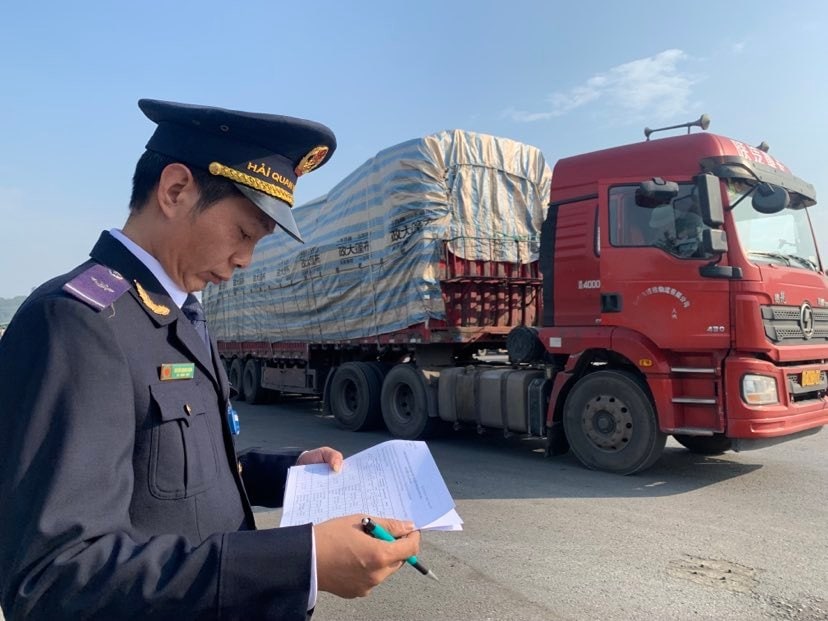
Tax and Customs Regulations Under DDP
Under the DDP (Delivered Duty Paid) delivery condition in import-export, the seller bears the responsibilities and costs related to transporting the goods to the agreed location in the importing country, including the tax and customs declaration costs. Below are the basic tax and customs regulations under the DDP condition:
- Import tax: Under the DDP condition, the seller bears the responsibilities and costs related to paying the import taxes necessary to clear the goods through customs in the importing country. This includes calculating, paying, and settling taxes such as value-added tax (VAT), import tax, and other taxes depending on the regulations of the importing country.
- Customs declaration: The seller needs to carry out the customs procedures necessary to clear the goods through customs in the importing country. This includes preparing the related documents, making the customs declaration, and complying with the customs regulations and processes of the importing country.
- Customs declaration costs: The seller bears the responsibilities and costs related to customs declaration and carrying out the related procedures. This may include the fees and costs related to customs declaration, document handling, and other related services.
- Party liable for tax and customs declaration: Under the DDP condition, the seller is responsible for paying tax and carrying out the customs declaration. The buyer does not need to take part in this process and does not have to be responsible for paying tax and making the customs declaration.
- Compliance with customs regulations: The seller needs to ensure that the customs declaration and tax payment activities are carried out correctly according to the regulations of the importing country to avoid violations and unwanted consequences.
In short, under the DDP condition, the seller bears the responsibilities and costs related to clearing the goods through customs in the importing country, including the tax and customs declaration costs. This ensures that the buyer does not have to worry about paying tax and carrying out customs procedures when receiving the goods.
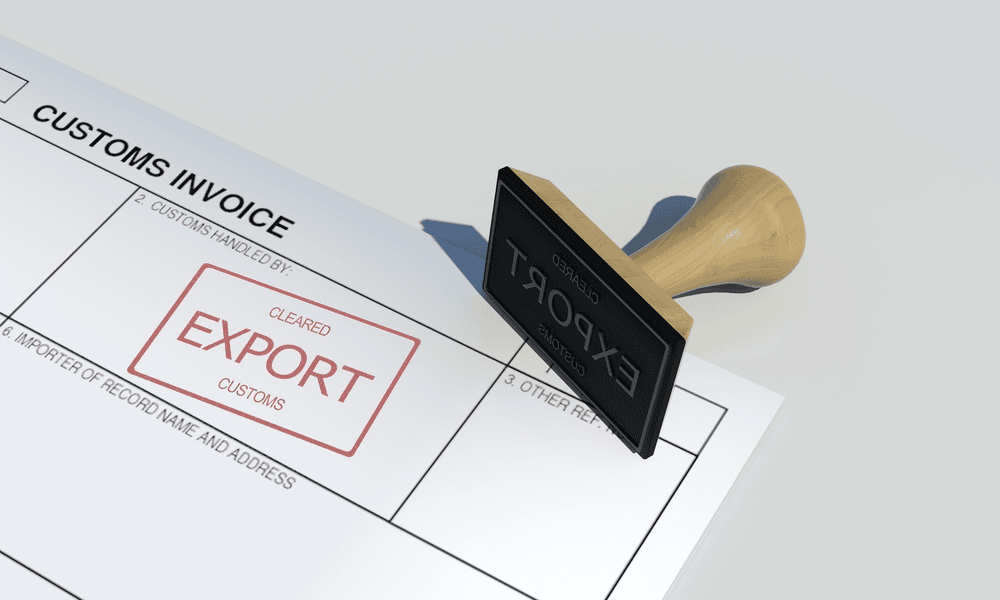
Differences Between DDP and Other Incoterms Conditions.
DDP (Delivered Duty Paid) is a delivery condition in Incoterms, and it has some important differences compared to other conditions. Below are some of the main differences between DDP and other Incoterms conditions:
- Transport responsibility and costs:
-
-
- DDP: Under DDP, the seller is responsible for transporting the goods to the agreed location in the importing country. The seller must pay all transport costs, including bearing all the expenses and risks until the goods reach the destination.
- Other conditions: Under other conditions such as FOB, CIF, and CFR, the seller and the buyer share the transport responsibilities and costs in different ways. For example, under FOB, the seller is responsible for the goods until they are handed over for sea transport.
-
- Customs procedures and tax:
-
-
- DDP: The seller must carry out the customs procedures and pay the taxes necessary to clear the goods through customs in the importing country.
- Other conditions: Under other conditions, the buyer may have to bear the responsibilities and costs related to customs procedures and paying import tax.
-
- Risk and ownership:
-
-
- DDP: Risk and ownership of the goods pass to the buyer when the goods are delivered to the agreed location in the importing country.
- Other conditions: Risk and ownership may pass to the buyer at another point, such as when the goods are handed over for transport (FOB) or when the goods reach the destination port (CIF, CFR).
-
- Contractor tax:
-
- DDP: Under DDP, the buyer does not have to bear the responsibilities and costs related to contractor tax.
- Other conditions: In some cases, the buyer may have to bear the responsibilities and costs related to contractor tax, such as under conditions like DDU (Delivered Duty Unpaid).
In short, DDP is a delivery condition with important differences in transport responsibility, customs procedures, risk, and tax compared to other Incoterms conditions. Choosing the right condition suited to the specific situation will help you and your trading partner avoid unwanted disputes and optimize the management of costs and risks.
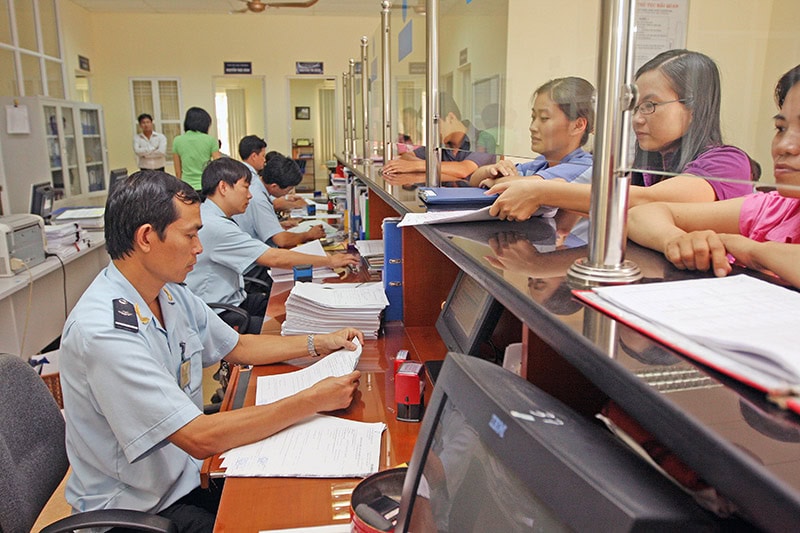
DDP Import Support Service, Customs Procedures, and Related Matters
Embassy Freight Services (VN) is one of the reputable goods transport services in Vietnam. We provide a DDP import service (Delivered Duty Paid) — supporting customs procedures from the place of production to the place of receipt.
Our services include customs procedures, customs declaration, warehousing, and delivery. We are committed to providing our customers with convenient and safe goods transport solutions.
With 22 years of experience in the field of goods transport, we are proud to be one of the leading providers of goods import services in Vietnam.
We clearly understand the problems that companies often face during the goods import process, and we are committed to bringing our customers the most optimal goods transport solutions.
If you are looking for a reputable partner to support you in importing goods, contact us via the hotline 0936911656 for more details about the services of Embassy Freight Services (VN). We will help you save cost and time during the goods import process.
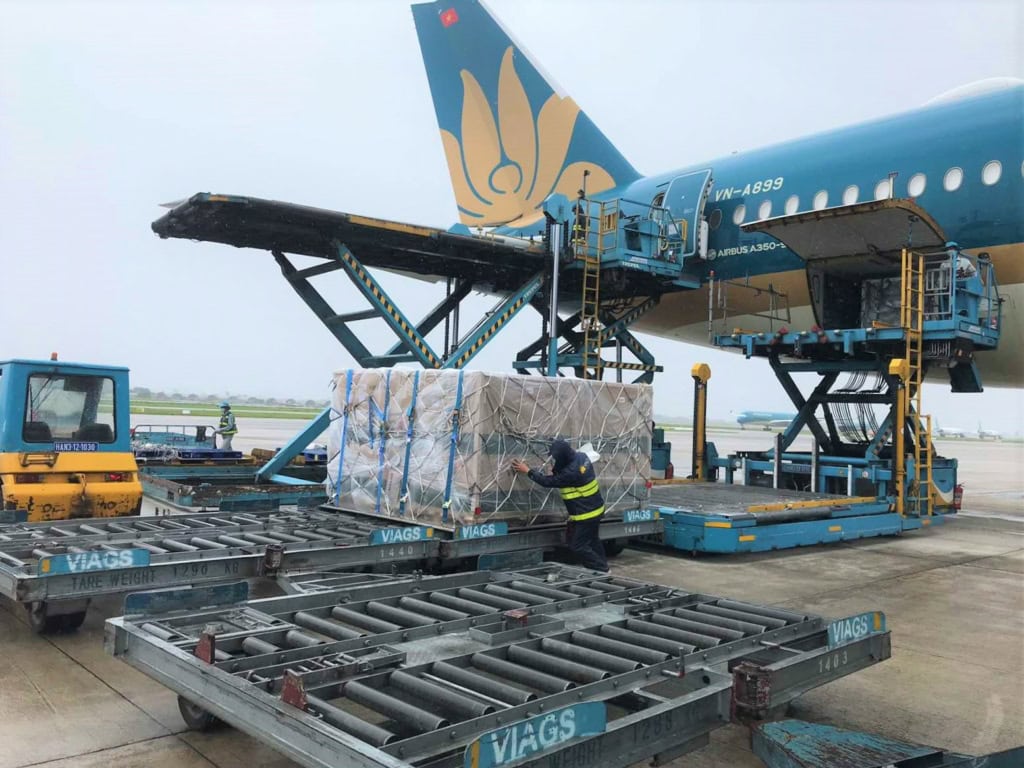
>>>See Also: All-Inclusive Import-Export Services in Ho Chi Minh City and Hanoi, Full A-to-Z Support, Cost-Saving
Q&A: Frequently Asked Questions About DDP Import
Under the DDP condition, who clears the import through customs?
Under the DDP condition, the party clearing the import through customs is the seller. This means the seller is responsible for carrying out the process of clearing the goods through customs at the destination port and ensuring that the goods have completed the clearance process and can be delivered to the buyer. The seller must ensure that the goods have cleared customs and that the related taxes and fees have been paid before delivering the goods to the buyer.
Fundamentally, the DDP condition requires the seller to take on not only the transport of the goods to the destination port but also the process of clearing the goods through customs, ensuring that the goods have completed customs procedures and can be delivered to the buyer without any risks arising related to clearance.
Thus, under the DDP condition, the seller is responsible and is the party clearing the goods through customs to ensure that the goods have completed the clearance process and are ready to be delivered to the buyer at the international destination.
What is the DDP price?
The DDP (Delivered Duty Paid) price is the price of the goods including the product value, freight, insurance costs, and all the taxes, fees, and other charges related to transporting and clearing the goods from the country of origin to the importing country.
Under the DDP delivery condition, the seller is responsible for carrying out all the procedures and costs to ensure that the goods have completed the transport and clearance process and can be delivered to the buyer at the final destination.
This includes paying the import taxes, customs taxes, and value-added tax (VAT), as well as the costs related to transport, insurance, and other important procedures.
In short, the DDP price is the price the buyer must pay the seller to have the goods delivered to the destination, cleared through customs, and with all procedures completed in the importing country.
What is the difference between DDP and CIF in freight forwarding?
DDP (Delivered Duty Paid) and CIF (Cost, Insurance, Freight) are two of the Incoterms that define the responsibilities and obligations of the seller and the buyer in the process of transporting goods internationally. Below is the difference between DDP and CIF:
- DDP (Delivered Duty Paid):
-
-
- Seller's responsibility: The seller is responsible for delivering the goods, cleared for import, to the agreed destination. This includes paying the taxes, fees, and costs related to customs and VAT.
- Buyer's responsibility: The buyer only has to receive the goods at the destination and does not need to take part in the customs process or pay the fees related to customs.
-
- CIF (Cost, Insurance, Freight):
-
- Seller's responsibility: The seller is responsible for delivering the goods to the international destination port and for the transport costs as well as insurance of the goods up to the destination port. The seller is not responsible for the customs obligations and VAT in the destination country.
- Buyer's responsibility: The buyer must be responsible for clearing the goods through customs at the destination port, including paying the taxes and carrying out the customs procedures.
In short, the important difference between DDP and CIF is in the responsibilities and obligations related to customs and VAT. DDP places the responsibility on the seller for paying the taxes and fees, while CIF requires the buyer to take on this part.
The appropriate Incoterms condition depends on the situation and capabilities of the buyer and the seller, as well as the requirements of the specific transaction.
Does the DDP price include VAT?
The DDP condition is set out in the Incoterms, describing the obligations and responsibilities of the seller and the buyer in the process of transporting goods from the seller to the buyer.
Under the DDP condition, the seller is responsible for delivering the goods, cleared for import, to the specified destination, including paying the taxes and the costs related to customs and VAT. The buyer only has to receive the goods at the agreed destination without having to worry about customs-related matters.
Specifically, the DDP price includes VAT (value-added tax) and other taxes payable on import. The seller is responsible for paying these taxes, and the buyer does not have to bear any additional fees related to tax or customs. This ensures that the goods have been fully paid for and are delivered to the buyer conveniently and without facing complicated customs procedures.
Contact Information
EMBASSY FREIGHT SERVICES (VIETNAM)
Address: Room 4.25, 4th Floor, No. 8 Hoang Minh Giam, Ward 9, Phu Nhuan District, Ho Chi Minh City.
Email: info@embassyfreight.com.vn
Contact for Consultation:
- 0936911656 (HCMC) – Embassy Freight Services (VN) Southern Region
- 0937361637 (Hanoi) – Embassy Freight Services (VN) Northern Region
Further Reading:
- Applying for a C/O – Certificate of Origin Service
- Company Providing All-Inclusive Freight Service to Cambodia with Full A-to-Z Support
- All-Inclusive, Highly Affordable Used Machinery and Equipment Import Service
- Everything from A to Z on Air Compressor Import Procedures
- Electrical Cable Import Procedures – Accurate and Fast
- Legal Regulations on the Import of Plant Protection Products
- All-Inclusive Import-Export Services in Ho Chi Minh City and Hanoi, Full A-to-Z Support, Cost-Saving
- All-Inclusive Service for Importing Australian Wine into Vietnam
- Which Rust-Cleaning Solution Is Best? 5 Effective Ways to Remove Rust from Metal
- Detailed Guide to the Most Accurate Forklift Import Procedures
- Guide to Air Cooler Import Procedures
- All-Inclusive Customs Declaration Service, No Costs Beyond the Quote
- Alcohol Import Procedures – All-Inclusive Alcohol Transport & Import Service
| ✅ Customs Declaration Service: | ⭐ Fast Clearance, Good Prices, No Costs Beyond the Quote |
| ✅ Air and Sea Freight: | ⭐ Good, Competitive Rates |
| ✅ Import-Export Service: | ⭐ All-Inclusive, Good Prices |
| ✅ Experience: | ⭐ Over 22 Years of Experience |
| ✅ Additional Services: | ⭕ C/O Issuance, Import Licenses, Animal & Plant Quarantine, Crating, On-Site Import-Export & Related Documentation |
| ✅ Agents & Offices: | ⭕ Over 50 Offices and Agents in 30 Countries Worldwide |
Need a quote for shipping & import-export procedures?
Embassy Freight provides sea freight, air freight, customs declaration and full-service import-export desk rental. Get a free quote or view our services.