In the field of logistics and international trade, many businesses confuse a freight forwarder with an outsourced import-export department. Both support a company's import-export operations, but their roles and scope of work are completely different. So which is the right choice for your business in 2026? The article below will help you understand the difference and make the right decision.
What Is a Freight Forwarder?
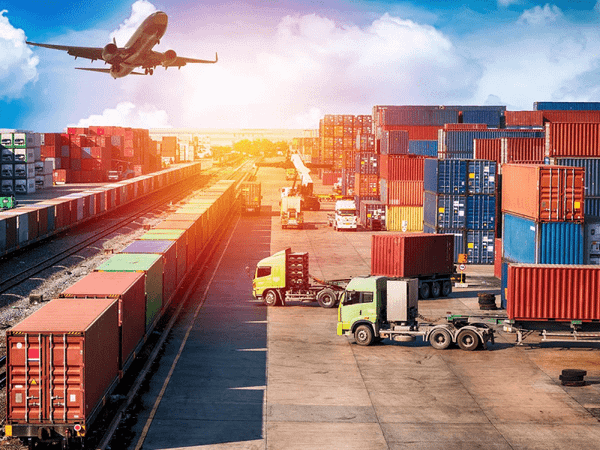
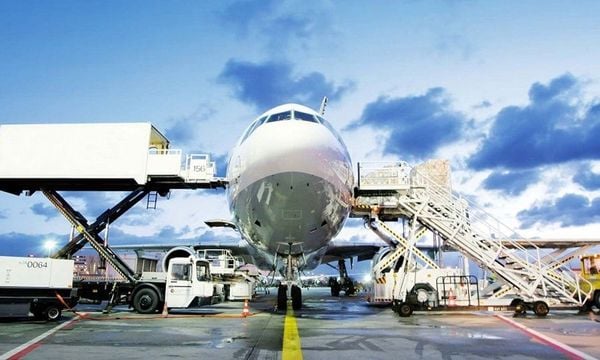
A freight forwarder is a company that specializes in international freight transport services. It acts as an intermediary between the shipper and the carriers (shipping lines, airlines, trucking companies, etc.). A freight forwarder's main services include:
- Booking space on ships and aircraft
- International transport (sea, air)
- Consolidation
- Issuing the Bill of Lading
- Tracking the shipping schedule
In other words, a freight forwarder focuses mainly on logistics and transport.

What Is an Outsourced Import-Export Department?
An outsourced import-export department is a service that provides all or part of a company's import-export operations, including:
- Finding suppliers
- Negotiating contracts
- Handling documentation
- Customs declaration
- Shipment tracking
- Handling incidents
This is a more comprehensive solution that goes well beyond transport alone.
What the Two Models Have in Common
Both a freight forwarder and an outsourced import-export department:
- Support a company's import-export activities
- Help optimize operating costs
- Have experience handling international logistics
- Reduce risks in the transport of goods
The difference, however, lies in the scope of work and the level of support.
Freight Forwarder vs. Outsourced Import-Export Department
| Criteria | Freight Forwarder | Outsourced Import-Export Department |
| Main role | Transporting goods | Managing the entire import-export process |
| Scope of work | Logistics | A to Z (purchasing → delivery) |
| Documentation handling | Yes, but limited | Comprehensive |
| Customs declaration | Yes | Yes |
| Supplier sourcing | No | Yes |
| Price negotiation | No | Yes |
| Process control | Low | High |
| Best suited to | Businesses that already have a process | Businesses without an import-export team |
When Should You Choose a Freight Forwarder?
A business should choose a freight forwarder when it:
- Already has an in-house import-export team
- Only needs support with international transport
- Has experience handling documentation and customs
- Wants to optimize transport costs
For example: a large manufacturer that already has its own import-export department only needs a forwarder to book vessels and handle transport.
When Should You Choose an Outsourced Import-Export Department?
An outsourced import-export department is a good fit when:
- The business doesn't have specialized staff
- It wants end-to-end import-export handling
- It doesn't want to manage multiple points of contact
- It needs support from sourcing to delivery
This is the optimal choice for SMEs and startups.
Should You Combine the Two?
The answer is YES.
In practice, many businesses use a combination:
- Outsourced import-export department: handling operations, documentation and suppliers
- Freight forwarder: transporting the goods
This combination helps to:
- Optimize costs
- Improve operational efficiency
- Reduce risk
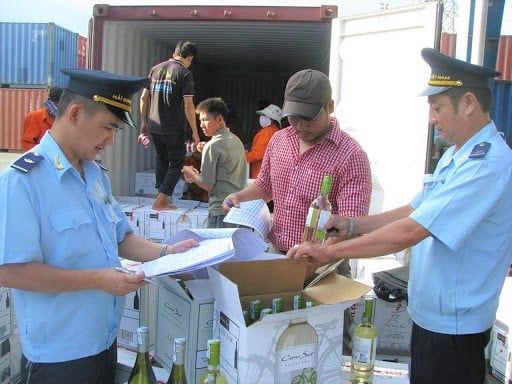
2026 Trend: An Integrated 2-in-1 Service
In 2026, many logistics providers are beginning to offer an integrated service:
- Acting as a freight forwarder
- While also providing an outsourced import-export department service
This helps businesses to:
- Work with a single point of contact
- Control the process more easily
- Save time
Common Mistakes Businesses Make
- Assuming a freight forwarder handles the entire import-export process
- Not keeping control of documentation when outsourcing
- Choosing a cheap service that lacks experience
- Not signing a clear contract
These mistakes can lead to significant extra costs and legal risk.
Advice for Businesses
- If you're just starting out: choose an outsourced import-export department
- If you already have experience: use a freight forwarder
- If you want the best of both: combine the two
Most important of all is choosing a reputable partner that fits your business model.
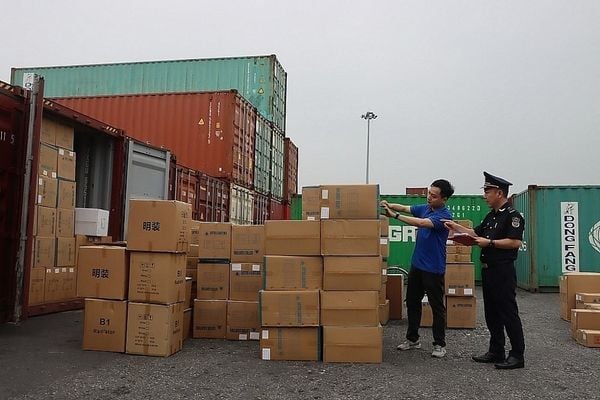
Conclusion
Both a freight forwarder and an outsourced import-export department play an important role in the supply chain. However, they serve different purposes. Understanding the difference will help you choose the right solution, optimize costs and grow sustainably in 2026.
If you are looking for a provider offering end-to-end import-export services, contact Embassy Freight (VN) at hotline 0936911656 for prompt advice and a quote!
Contact for a Consultation:
- 0936911656 (HCMC) – Embassy Freight Services (VN) Southern Region
- 0937361637 (Hanoi)- Embassy Freight Services (VN) Northern Region
Need a shipping & import-export procedure quote?
Embassy Freight provides ocean freight, air freight, customs clearance and full-service import-export department outsourcing. Get a free quote or explore our services.