
In import-export activity, having a customs declaration classified into the red channel always worries many businesses, as it can affect delivery timelines and add demurrage and storage costs. In reality, the red channel is not a sign of any legal violation but a control step within the customs authority's risk management process.
If a business understands the process and prepares a complete dossier, handling goods flagged into the red channel at Cai Mep Port will be quick and smooth. The article below helps you understand why goods are flagged red, the steps to take, and tips to shorten clearance time.
What Is the Red Channel in Customs?
After a business files its declaration on the VNACCS/VCIS electronic customs system, the system automatically classifies the channel based on a risk management mechanism. There are three main classification levels:
- Green channel: Exempt from document inspection and physical inspection of the goods.
- Yellow channel: Inspection of the customs dossier.
- Red channel: Document inspection combined with physical inspection of the goods before clearance.
Channel classification is done automatically based on many criteria, such as the type of goods, the business's compliance history, the management policy, and the risk level of each shipment.

Why Are Goods Flagged into the Red Channel?
There are many reasons goods may be classified into the red channel, including:
1. Businesses New to Import-Export
Newly established businesses or those without much customs declaration history often face a higher chance of physical inspection so customs can assess their level of compliance.
2. Goods in a Special Management Group
Some goods that carry a risk of trade fraud or are subject to specialized management are usually inspected more closely, such as:
- Used machinery and equipment.
- Chemicals.
- Food products.
- Cosmetics.
- Medical devices.
- Wood and wood products.
- Goods requiring quarantine.
3. Errors in the Dossier
Common errors such as:
- An incorrect HS code.
- An incorrect value.
- An incomplete goods description.
- An incorrect quantity.
- Inconsistent documents.
can all cause the declaration to be moved to the red channel for physical inspection.
4. Planned Inspection
In some cases, customs authorities carry out inspections on a thematic basis or according to a risk management plan. When this happens, even if the dossier is complete and accurate, the business may still be classified into the red channel.
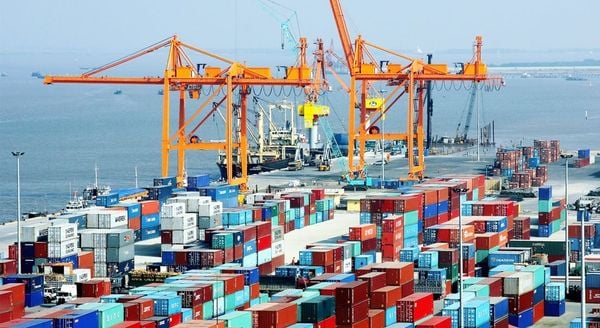
Process for Handling Red-Channel Goods
Step 1: Check the Channel Classification Result
As soon as the system returns the result, the business needs to check the declaration status to see which channel the goods are in and proactively prepare for the next steps.
Step 2: Prepare the Dossier
A complete dossier usually includes:
- The customs declaration.
- The Commercial Invoice.
- The Packing List.
- The Bill of Lading.
- The foreign trade contract.
- The certificate of origin (C/O), if any.
- The catalogue or technical documentation.
- The specialized license for goods subject to management.
Preparing a complete dossier helps the inspection go faster.
Step 3: Book the Physical Inspection
After receiving the red-channel notice, the business or its customs service provider contacts the customs officer to book the time and place of the goods inspection. Depending on the case, the physical inspection may be carried out at:
- The container yard.
- The CFS warehouse.
- The bonded warehouse.
- A centralized inspection location.
Step 4: Physical Inspection of the Goods
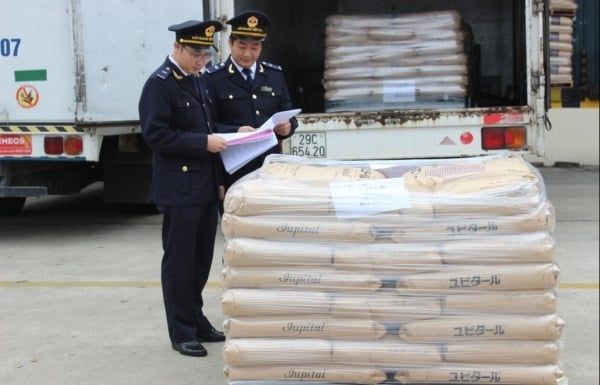
Customs officers will compare the actual goods against the declared content. The items usually inspected include: the type of goods, the quantity, the specifications, the weight, the origin, the markings, the container number, the seal number, and so on. The inspection may cover the entire shipment or just part of it, depending on the risk level.
Step 5: Complete the Clearance Procedures
If the inspection result matches the declared dossier, the business simply completes its financial obligations as required and the goods are cleared. If a discrepancy is found, customs may request:
- An amendment to the declaration.
- Supplementary documents.
- An explanation of the information.
- Handling under the regulations if there are signs of a violation.
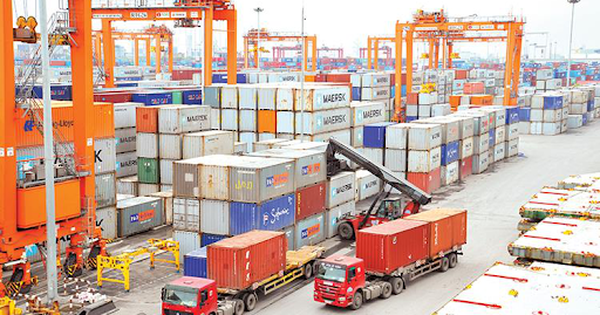
Documents to Prepare for the Inspection
To avoid wasting time, businesses should have ready:
- The customs declaration.
- The invoice.
- The packing list.
- The bill of lading.
- The sales contract.
- The C/O (if any).
- The product catalogue.
- The specialized license.
- The quality inspection or quarantine results (if mandatory).
In addition, prepare both electronic and printed copies of the documents for convenient cross-checking when customs requests it.
Tips to Speed Up the Inspection
To limit waiting time and extra costs, businesses should:
- Carefully check the dossier before declaring.
- Declare the correct HS code and describe the goods clearly.
- Prepare all specialized licenses.
- Coordinate with the port to position the container at the right inspection spot.
- Assign staff who understand the shipment to attend the inspection.
- Monitor the declaration status regularly to handle supplementary requests promptly.
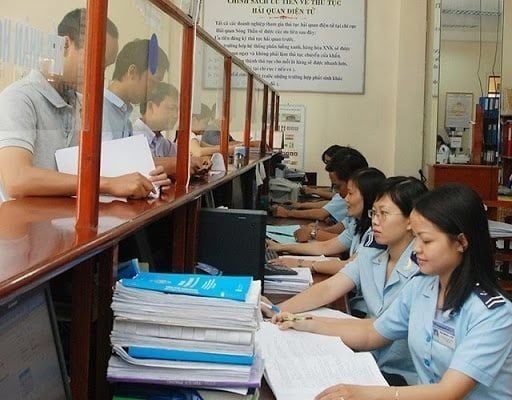
Mistakes to Avoid
When goods are flagged red, many businesses make mistakes such as:
- Preparing the dossier too late.
- Not re-checking the information on the documents.
- Lacking a catalogue or technical documentation.
- Having no one in charge during the inspection.
- Declaring inaccurately compared to reality.
These errors can prolong clearance and add many extra costs.
Should You Hire a Customs Service?
For businesses without much experience or with high-value shipments, using a customs service is an effective solution. A professional provider will help:
- Check the dossier before declaring.
- Advise on HS codes and goods policy.
- Work with customs authorities.
- Monitor the inspection progress.
- Handle situations that arise.
- Shorten clearance time.
This is a choice that helps businesses save time, minimize errors, and limit extra costs.
Conclusion
Having goods flagged into the red channel at Cai Mep Port is nothing to worry about too much if you understand the process and proactively prepare the dossier. Following the regulations, declaring accurately, and coordinating well with the authorities help the inspection go smoothly, shorten clearance time, and limit costs.
For businesses that import and export regularly or handle shipments with special requirements, using a professional customs service is a solution that helps optimize the process, improve logistics efficiency, and ensure goods are cleared safely and on schedule.
We are committed to delivering the most effective solutions that save time, cut costs, and minimize risks throughout the customs clearance process at Cai Mep Port. Contact Embassy Freight now via Hotline: 0936911656 for the fastest consultation and quote!
Need a quote for shipping & import-export procedures?
Embassy Freight provides ocean freight, air freight, customs clearance, and full-service import-export back-office solutions. Get a free quote or explore our services.