Shopping on Amazon, eBay or Walmart, or ordering directly from a US supplier, has never been easier. But the moment your order leaves the warehouse in the US, a host of questions arise: air or sea, what paperwork to prepare for customs, how import duties are calculated, and how to keep your goods from being held up for missing specialized inspections. For newcomers, this is a whole \"maze\" of procedures that can easily drive up costs and stretch delivery times beyond expectations. This article helps you see the entire process of importing goods from the US to Vietnam clearly, from shipping to customs clearance, so you can plan your imports more proactively.
Ways to Ship Goods from the US to Vietnam
Depending on the nature of the shipment and the budget, businesses usually choose between two main methods:
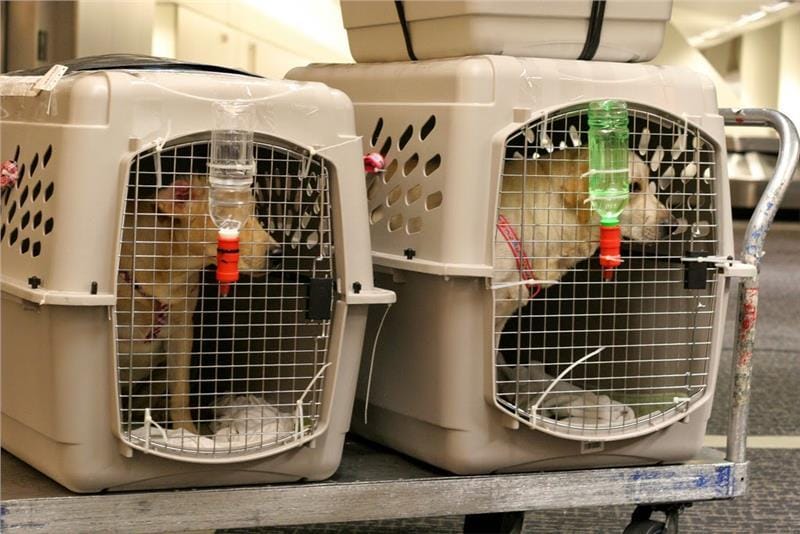
- Air freight: suitable for high-value goods, urgent deliveries, tech components, pharmaceuticals or e-commerce orders that need fast turnaround. Its advantages are speed and high safety.
- Sea freight: optimizes cost for large-volume, non-urgent goods such as furniture, machinery and raw materials. You can ship a full container (FCL) or consolidate less-than-container-load cargo (LCL) depending on the actual volume.
Many businesses also combine the two: sea freight for the bulk of the shipment, air freight for the urgent portion or as a top-up when stock runs low. Learn more about the air freight solution that suits each type of goods you handle.
Reference Shipping Times and Costs
Transit time depends on the port/airport of departure, the route, the carrier and the season (holidays such as Tet and Black Friday usually mean longer processing). Air freight is always faster than sea freight, but at a higher cost per kg; sea freight is more forgiving for bulky goods but takes longer, plus the time needed for procedures at the port.
The actual cost is also affected by volumetric weight, whether it is FCL/LCL, seasonal surcharges, fuel surcharges and additional charges at the destination port if the paperwork is incomplete—this is also why many customers get a cost \"shock\" when working with an inexperienced provider. To get a figure that is close to reality for your shipment, the fastest and safest way is to get a detailed quote before you place the order.
Customs Procedures and the Documents to Prepare
This is the step that worries most first-time importers, because just one missing or incorrect document can get the shipment held up, incur storage fees, or even have it returned. The basic dossier usually includes:
- Invoice (commercial invoice): shows the unit price and total value of the shipment.
- Packing list: describes the packing specifications, number of packages, weight and dimensions.
- Bill of lading (Bill of Lading for sea freight, Airway Bill for air freight) issued by the shipping line/airline.
- Foreign trade contract and origin and quality documents when the goods fall under specialized management.
- Electronic customs declaration on the automated clearance system.
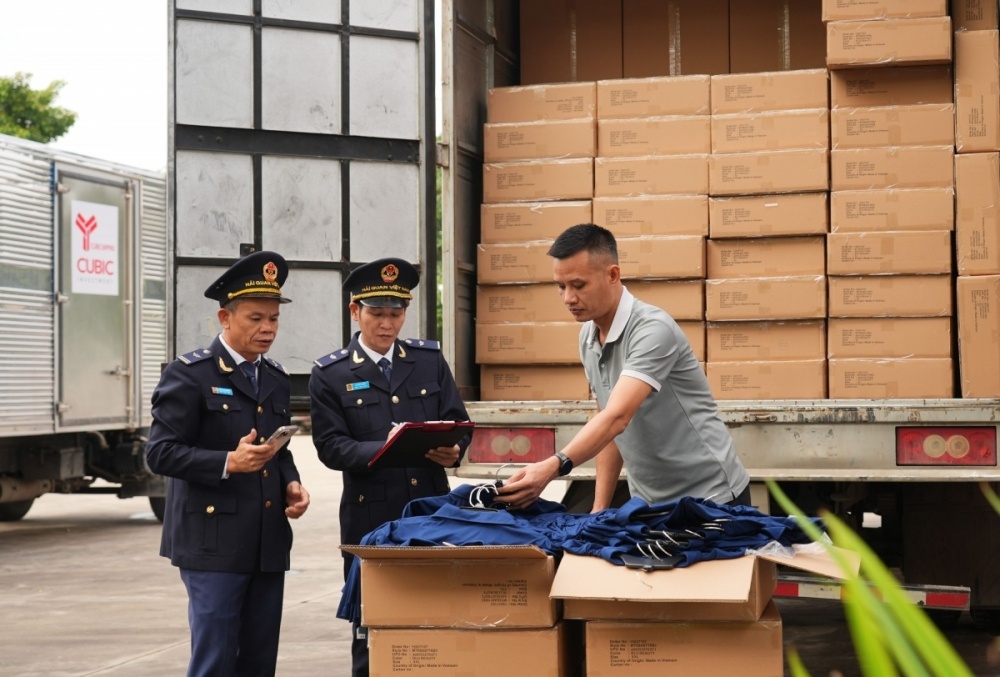
The clearance process usually involves: filing the declaration, the system channeling it (green, yellow, red), document inspection or physical inspection, paying duties, and releasing the goods. Some items need an additional specialized permit before clearance—this is why professional customs declaration services matter: a provider who understands the process will help you prepare the right dossier from the outset, avoiding time lost on back-and-forth additions and amendments.
Import Duties and How to Optimize Costs
Import duty and related taxes (value-added tax and special consumption tax, if applicable) are calculated based on the HS code (Harmonized System) and the dutiable value. Determining the correct HS code from the start ensures accurate tax calculation and tells you whether the goods need a specialized permit.
Many businesses miss the chance to optimize taxes through the free trade agreements (FTAs) Vietnam has signed, or apply HS codes by guesswork and end up paying more tax than necessary—misclassification also carries the hidden risk of back-collection and penalties later. It is therefore best to have an experienced provider review the HS codes and tax-incentive policies for each shipment, helping the business comply with regulations while optimizing costs legally.
Goods Commonly Imported from the US
Thanks to a diverse supply and trusted quality, goods imported from the US to Vietnam are increasingly varied. The most common include:
- Electronic equipment, tech components and specialized machinery.
- Dietary supplements, cosmetics and pharmaceuticals.
- Machinery, industrial equipment and spare parts.
- US-brand fashion, footwear and accessories.
- Production raw materials and R&D sample goods.
- Large-volume e-commerce goods for online sellers.
Each group of goods has different procedural requirements, so identifying the right group right from the planning stage will save considerable processing time.
Risks to Watch for When Importing from the US
Alongside the advantages, importing from the US also carries no small number of risks if you lack experience:
- Prohibited or restricted goods: these require a special permit; if not checked in advance, they can easily be held up or result in penalties.
- Specialized inspection: food, cosmetics, medical devices, electronics and so on usually require testing and conformity declaration before clearance.
- Misdeclaring value or HS code: leads to back-collection of duties, delayed clearance, and even risk-monitoring of subsequent shipments.
- Unexpected additional costs: storage and yard fees when the paperwork is incomplete, or peak-season surcharges that were not disclosed in advance.
These risks are entirely manageable with the support of a logistics provider that understands the regulations and proactively reviews the paperwork before problems arise, rather than leaving the customer to fend for themselves once the goods have arrived at the port.
Why Choose Embassy Freight to Import from the US to Vietnam
With more than 20 years of experience in international freight forwarding and a role as a licensed customs agent, Embassy Freight understands customers' most common worries when importing from the US: fear of not knowing the procedures, fear of unexpected costs, and fear of goods getting stuck in customs for no clear reason. Our services are built to address exactly those concerns:
- Offices right in the US (Atlanta, Boston, Los Angeles) within a network of 39 branches worldwide, controlling the goods right from the point of origin.
- Flexible consolidation services, optimizing costs for both LCL and large shipments, combining air and sea freight as needed.
- A full door-to-door solution, from picking up the goods at the warehouse in the US, international transport, customs declaration and paying duties, to delivery in Vietnam.
- A single point of contact responsible throughout the journey, reducing the risk of information being lost between multiple intermediaries.
- An on-time delivery rate of 98.6%, along with partnerships with major shipping lines and airlines, ensuring a stable schedule.
Embassy Freight's team of specialists accompanies you from advising on the shipping method, preparing the dossier and determining the HS code, through to when the goods are cleared and delivered to your door—so you can focus on your business while we take care of the complex procedures.
Don't let worries about procedures, extra costs or delay risks stand in the way of your import plans. Let Embassy Freight be the logistics partner that accompanies you on every shipment from the US to Vietnam. Contact us now to get a detailed quote and free advice on the best shipping plan for your needs.
Importing from the US to Vietnam with Embassy Freight
With more than 20 years of experience and an office right in the US, Embassy Freight handles everything from consolidation and shipping to customs declaration and door-to-door delivery. Need it fast? See air freight. Get a free quote—a response within 1 business day, no obligation.