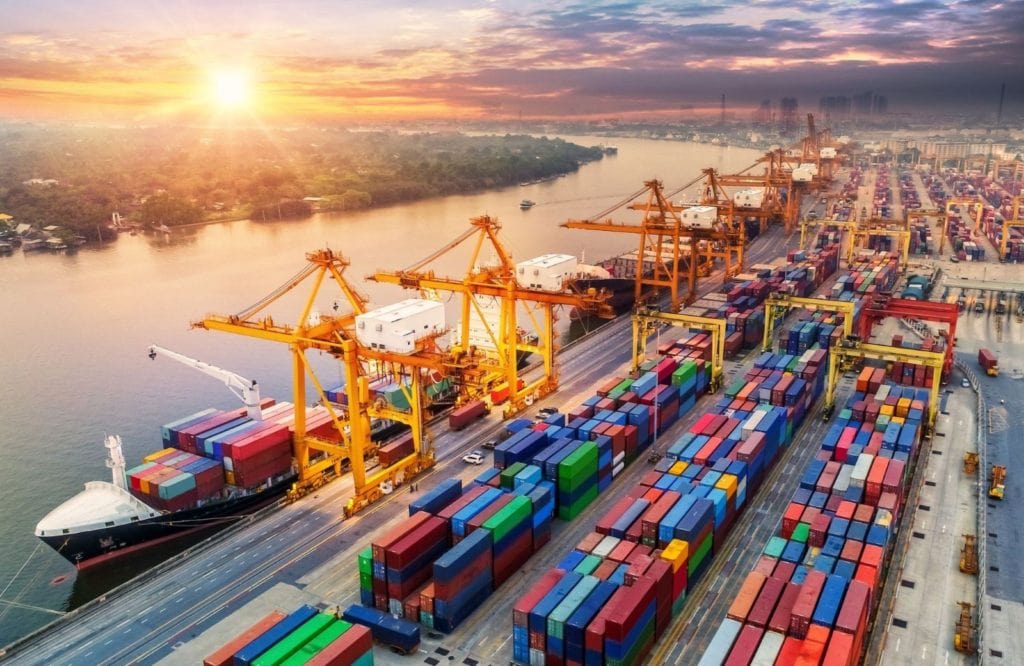
As international trade continues to grow, the legal framework for customs is constantly updated to improve management efficiency, accelerate digital transformation and facilitate import-export businesses. Heading into 2026, many new or revised rules relating to electronic customs declaration, risk management, specialized inspection, certificates of origin (C/O), post-clearance audit and document digitization are attracting particular attention from businesses.
Keeping up with these changes in a timely manner helps businesses limit errors, avoid extra costs and ensure that clearance runs smoothly. In this article, let's review the key points that import-export businesses need to note in 2026.
Why Should Businesses Track Customs Policy?
Customs regulations can directly affect:
- Clearance time.
- Logistics costs.
- Import and export duties.
- Documentation.
- Goods management.
- Specialized inspection.
- The company's level of compliance.
Without timely updates, businesses may face issues such as:
- Declarations routed to the red channel.
- Having to supplement documents.
- Delayed deliveries.
- Extra storage and demurrage costs.
- Administrative penalties.

1. Accelerating Digital Customs and Electronic Documents
A prominent trend in 2026 is the continued expansion of: electronic files, electronic documents, digital signatures, and online data exchange between businesses and management agencies.
This helps reduce document processing time, limit the use of paper and increase transparency during procedures. Businesses should review their software systems and internal processes to ensure they can meet digitization requirements.
2. Strengthening Risk Management in Customs Channeling
The channeling mechanism (Green - Yellow - Red) continues to be applied on a risk management basis. The assessment criteria may include:
- The company's compliance history.
- The accuracy of the declaration.
- The goods being imported or exported.
- The management policy for each product group.
- Information from relevant management agencies.
Businesses with a transparent declaration record and good compliance usually have a better chance of favorable channeling.
3. Focusing on the Accuracy of the HS Code
Determining the correct HS code remains one of the most important requirements. An incorrect HS code can lead to: the wrong duty rate, the wrong goods management policy, the need for supplementary declarations, tax reassessment, penalties under the regulations and more. Businesses should review the HS code before signing a contract and before opening a declaration.
4. Stricter Checks on Certificates of Origin (C/O)
As Vietnam participates in many Free Trade Agreements (FTAs), using C/O to enjoy tariff preferences is increasingly common. Businesses need to:
- Check the correct C/O form.
- Ensure the information is consistent with the Invoice and Packing List.
- Keep records proving origin as required.
- Track the validity and conditions of each FTA.
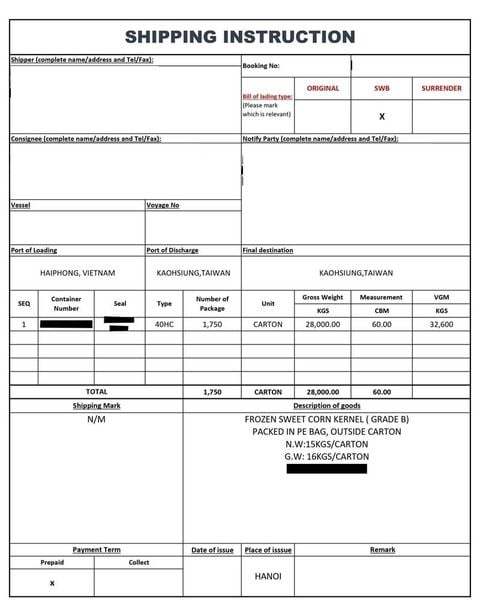
5. Continuing Reform of Specialized Inspection
One of the goals of the management agencies is to reduce overlap in specialized inspection and shorten clearance time. However, for goods under special management such as food, cosmetics, medical equipment or chemicals, businesses must prepare the full permits and documents required by the specialized management agencies.
6. Strengthening Post-Clearance Audit
Clearance does not mean a business has fulfilled all its obligations. Customs may conduct a post-clearance audit to assess:
- The accuracy of the declaration.
- Accounting records.
- Commercial documents.
- The origin of the goods.
- The customs value.
Businesses should keep complete records so they are ready to serve an audit when needed.
7. Tightening Control of Customs Value
The declared value is the basis for calculating duties and other financial obligations. Businesses need to ensure:
- The declared price matches the contract.
- The invoice and payment documents are consistent.
- Any adjustments are declared in accordance with the regulations.
Errors in declaring value can lead to having to provide explanations or amend documents.
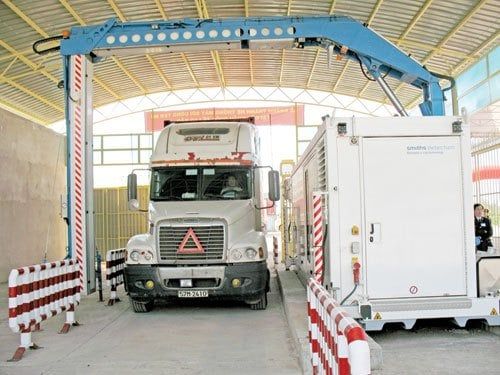
8. Strengthening Data Connectivity Between Agencies
The trend of data interconnection among customs, specialized management agencies, seaports and logistics businesses continues to expand. Sharing data helps:
- Reduce the time to verify information.
- Limit duplicate declarations.
- Improve management efficiency.
- Support faster clearance.
What Businesses Should Do in 2026
To adapt to the new requirements, businesses should:
- Regularly update legal documents.
- Carefully check documents before opening a declaration.
- Review HS codes periodically.
- Train the staff in charge of import-export.
- Standardize the document archiving process.
- Use digital signatures and electronic declaration systems.
- Coordinate closely with a Freight Forwarder and customs advisory unit.
Common Mistakes Businesses Make
Some common errors include:
- Declaring the wrong HS code.
- Wrong information on the Commercial Invoice.
- Missing specialized documents.
- Not updating new regulations.
- Declaring the customs value incorrectly.
- Not keeping complete records.
- Only checking documents after opening a declaration.
These errors can prolong clearance time and generate additional costs.
Conclusion
2026 is a phase in which customs is accelerating digital transformation, strengthening risk management and improving inspection efficiency for import-export activities. Keeping up with these policies not only ensures legal compliance but also reduces clearance time, controls costs and enhances competitiveness. Businesses should build a rigorous document-checking process, regularly update legal documents and coordinate with experienced logistics providers and Freight Forwarders so that the import-export process runs smoothly and efficiently.
If you are looking for a reputable, high-quality provider of end-to-end A-to-Z customs services, contact Embassy Freight now via Hotline: 093 691 1656 for the fastest consultation and quote!
Note: Customs policy may be adjusted during the year through laws, decrees, circulars or guidance from the management agencies. Businesses should follow the official documents from state authorities in order to apply the current regulations correctly.
Need a shipping and import-export quote?
Embassy Freight supports sea freight, air freight, customs declaration and turnkey import-export outsourcing. Get a free quote or see our services.