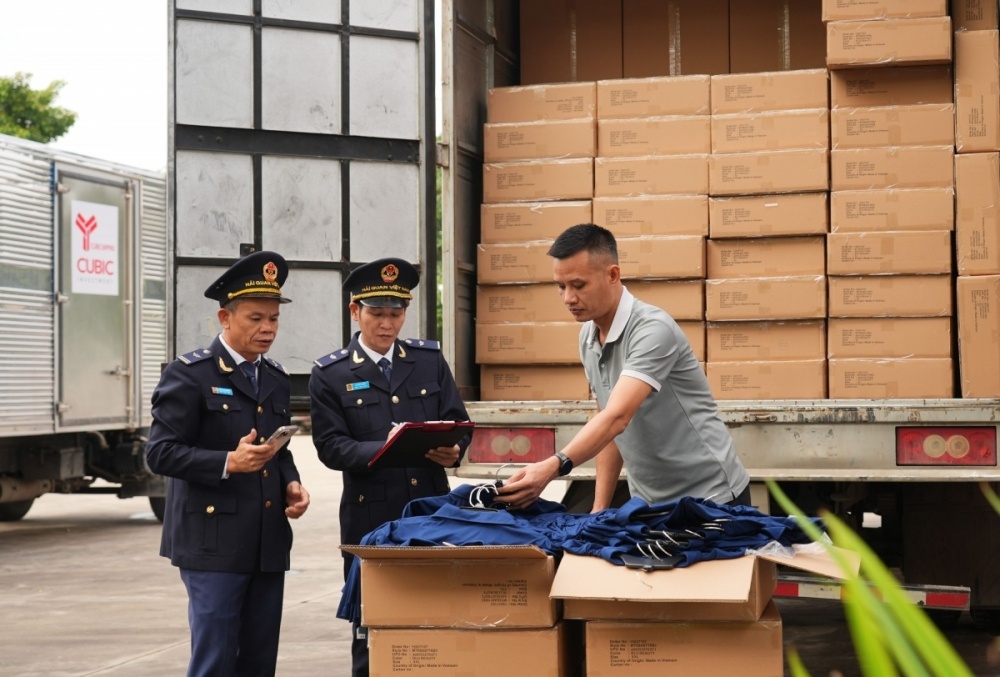
Outsourcing your import-export department is fast becoming the go-to choice for many businesses in 2026. However, to get the most out of it, you need a clear understanding of how to roll out the process from A to Z. This article walks you through every step so you can deploy outsourcing services effectively, reduce risk, and optimize costs.

Step 1: Define Your Business Needs
Before outsourcing, your business should clearly determine:
- The number of shipments per month
- The type of goods (standard, subject to specialized inspection, etc.)
- Your import-export markets
- The level of support required (customs declaration only, or full A–Z)
Clearly defining your needs helps you choose the right partner and avoid wasted spend.
Step 2: Search for and Select the Right Provider
Your business should:
- Shortlist 3–5 providers to compare
- Request detailed quotes
- Check their experience and completed projects
- Evaluate their response times
Never choose a provider on price alone.
Step 3: Consultation and Process Design
Once you have selected a partner, the two sides will:
- Analyze the import-export workflow
- Define each party's responsibilities
- Draw up an operating plan
This is a crucial step for minimizing errors down the line.
Step 4: Sign the Service Contract
The contract should include:
- Scope of work
- Itemized costs
- Processing timelines
- Liability in the event of errors
Read it carefully to avoid disputes.
Step 5: Real-World Implementation
The outsourcing provider will begin handling:
- Sourcing suppliers (if needed)
- Preparing documentation
- Customs declaration
- Shipment tracking
Your business simply coordinates and provides information as required.
Step 6: Monitor and Evaluate Performance
After 1–3 months, your business should assess:
- Processing speed
- Accuracy
- Actual costs
- The ability to handle incidents
If it falls short of expectations, you can adjust the arrangement or change partners.
Step 7: Optimize and Scale Up
Once the process is running smoothly, your business can:
- Increase order volumes
- Expand into new markets
- Optimize logistics costs
This is the stage where you fully capitalize on the benefits of outsourcing.
Mistakes to Avoid
- Failing to clearly define your initial needs
- Choosing an inexperienced partner
- Losing control of documentation
- Not monitoring performance
Conclusion
Outsourcing your import-export department is not overly complex once you understand each step. Done right, it saves costs, reduces risk, and boosts operational efficiency.
If you are looking for a reputable, high-quality all-in-one import-export service, contact Embassy Freight (VN) now via Hotline: 0936911656 for the fastest consultation and quote!
Contact for Consultation:
- 0936911656 (HCM) - Embassy Freight Services (VN) Southern Vietnam
- 0937361637 (Hanoi) - Embassy Freight Services (VN) Northern Vietnam
Need a shipping quote?
Embassy Freight offers all-in-one sea freight, air freight, and customs clearance. Get a free quote or explore our services.