In import-export and international logistics, the term Roll Over Container (also known as a rolled container) describes a situation many businesses have faced. When a container is not loaded onto the planned vessel, the entire delivery schedule can be delayed, dragging along extra costs and affecting the company's reputation.
For export shipments under contracts with strict delivery deadlines, or for agricultural products, food and seasonal goods, being rolled over can cause significant damage. So what is a Roll Over Container?, why does it happen and how can you reduce the risk? Let's find out in the article below.
What Is a Roll Over Container?
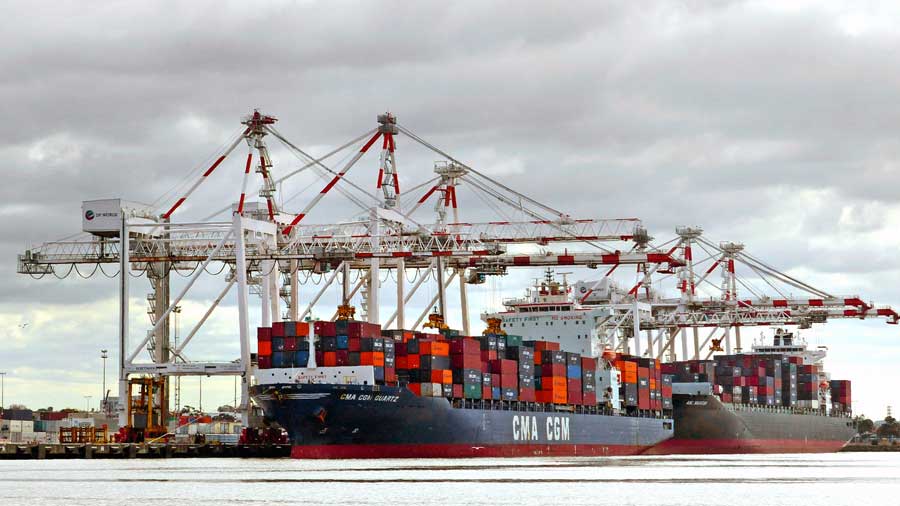
A Roll Over Container is a container that is not loaded onto the booked vessel and has to be moved to the next sailing.
Even though the business has delivered the container to the port on time, the container still is not shipped on the original schedule for various reasons. In practice, businesses often call this phenomenon: rolled cargo, being rolled, roll booking, roll container and so on.
Why Do Containers Get Rolled Over?
There are many reasons a container is not loaded onto the vessel.
1. Overbooking
Carriers often accept more bookings than the vessel's actual capacity to guard against cancellations. If the number of containers delivered exceeds the vessel's loading capacity, some will be moved to the next sailing.
2. Port Congestion
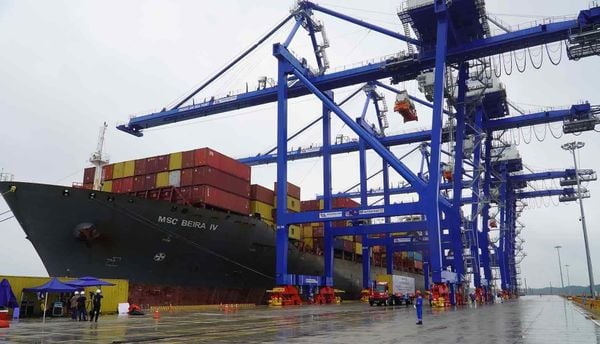
During peak export season or when cargo volumes surge, a port may experience: container yard overload, a shortage of handling equipment, slow vessel turnaround and more. This affects the pace of loading.
3. The Container Arrives at Port Late
If a container is delivered to the port after the Closing Time (Cut-off Time), the carrier may refuse to load it onto the booked sailing. Being just a few hours late can force a business to wait for the next vessel.
4. Lack of Space on the Vessel
Some international routes regularly run short of space, especially in peak season when shipping demand surges. Routes such as: Europe, the United States, Canada, the Middle East and others tend to have a higher risk of roll over.
5. Changes to the Sailing Schedule
Due to: bad weather, storms, strikes, technical incidents, adjustments to the operating schedule and more, carriers may change the itinerary and reduce the number of containers loaded.
6. Documentation Errors
In some cases a container is held back because of:
- Incorrect booking information.
- An incomplete bill of lading.
- Customs declaration not yet completed.
- Missing documents that were required.
If the export conditions are not met, the container may not be loaded onto the vessel.
How Does a Rolled Container Affect You?
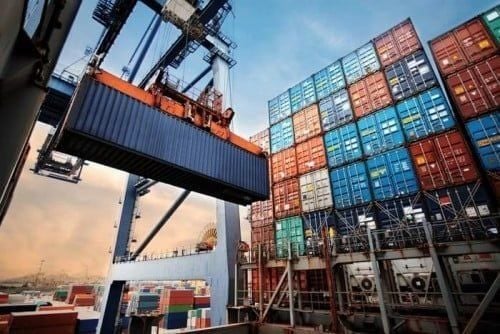
Being rolled over not only delays the shipping schedule but also brings many consequences.
Delayed Delivery
Goods arriving later than the contract terms can lead a business to:
- Face late-delivery penalties.
- Lose business opportunities.
- Disrupt the customer's production plan.
Extra Costs
A container held at the port longer can incur:
- Storage fees.
- Demurrage.
- Detention.
- Additional transport costs.
- Costs to amend documents.
Impact on Cargo Quality
For: food, fruit, seafood, pharmaceuticals, chemicals and more, prolonging transport time can affect quality, especially if the cold chain is not kept stable.
Impact on the Company's Reputation
If deliveries are repeatedly late, a business may:
- Lose customer trust.
- Struggle to sign long-term contracts.
- Weaken its competitiveness in international markets.
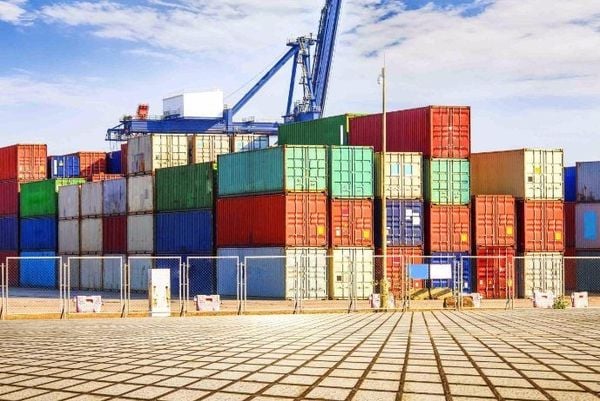
How to Reduce the Risk of Roll Over Containers
1. Book Early
The earlier you book, the higher your chance of securing space on the vessel. Especially in peak season, businesses should book 2-4 weeks in advance or as recommended by the carrier.
2. Deliver the Container to Port on Time
Don't wait until just before the cut-off to deliver the container. Completing early helps reduce the risk of unexpected incidents such as traffic congestion or document errors.
3. Prepare Complete Documentation
Businesses need to carefully check: the Commercial Invoice, Packing List, Booking, Shipping Instruction, VGM (Verified Gross Mass), customs declaration, permits or specialized documents (if any) and more. A complete set of documents helps the export process run smoothly.
4. Monitor the Sailing Schedule Regularly
Sailing schedules can change for many reasons. Businesses should proactively update information from the carrier or Freight Forwarder to adjust plans in time.
5. Choose a Reputable Freight Forwarder
An experienced Freight Forwarder will help with: booking early, tracking the schedule, working with the carrier, handling roll over when it happens, finding a quick alternative and more. This is a solution that significantly reduces risk in international shipping.
6. Build a Buffer into the Export Plan
Don't schedule too tightly against the delivery date. Businesses should set aside extra buffer time to handle situations such as: roll over, clearance delays, port congestion, bad weather and more.
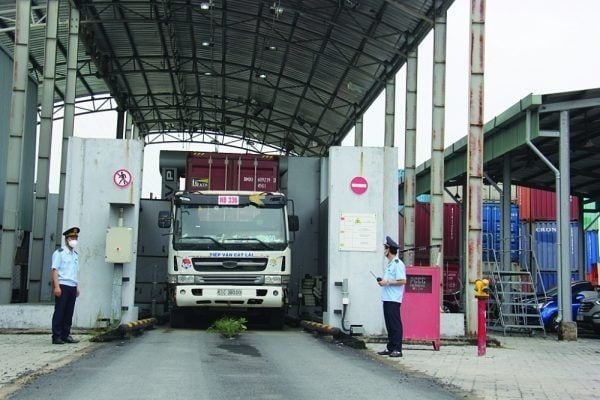
What Should You Do When a Container Is Rolled Over?
If you receive a roll over notice, you should:
- Confirm the cause with the carrier or Freight Forwarder.
- Check for an alternative sailing.
- Notify the customer immediately.
- Adjust the delivery plan.
- Review the extra costs incurred.
- Check the validity of documents if the schedule shifts by several days.
Handling it quickly helps minimize the impact on the supply chain.
Mistakes When Handling Roll Over
Some businesses often:
- Book too late.
- Do not track the sailing schedule.
- Prepare documents right up against the cut-off day.
- Leave no buffer in the delivery timeline.
- Rely on a single carrier.
- Do not notify the customer early when there is a change.
These mistakes can raise costs and harm the relationship with partners.
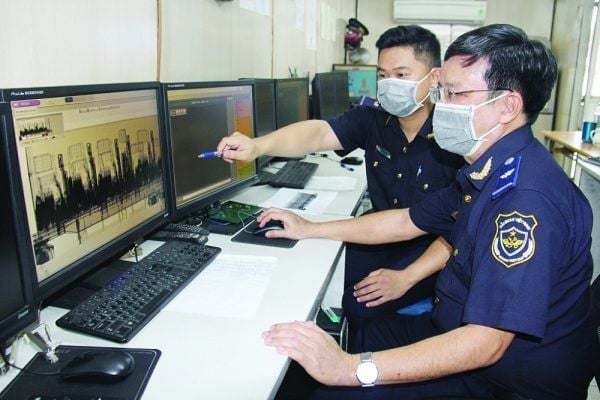
Conclusion
A rolled container is a risk in international shipping, especially in peak season or on high-demand routes. Although the risk cannot be eliminated, businesses can reduce the impact by planning early, preparing complete documentation, tracking the sailing schedule closely and more.
Proactive risk management not only helps limit extra costs but also ensures delivery on schedule, enhances reputation and improves import-export efficiency. Contact Embassy Freight now via Hotline: 0936 911 656 for the fastest consultation and quote!
Need a shipping and import-export quote?
Embassy Freight supports sea freight, air freight, customs declaration and turnkey import-export outsourcing. Get a free quote or see our services.