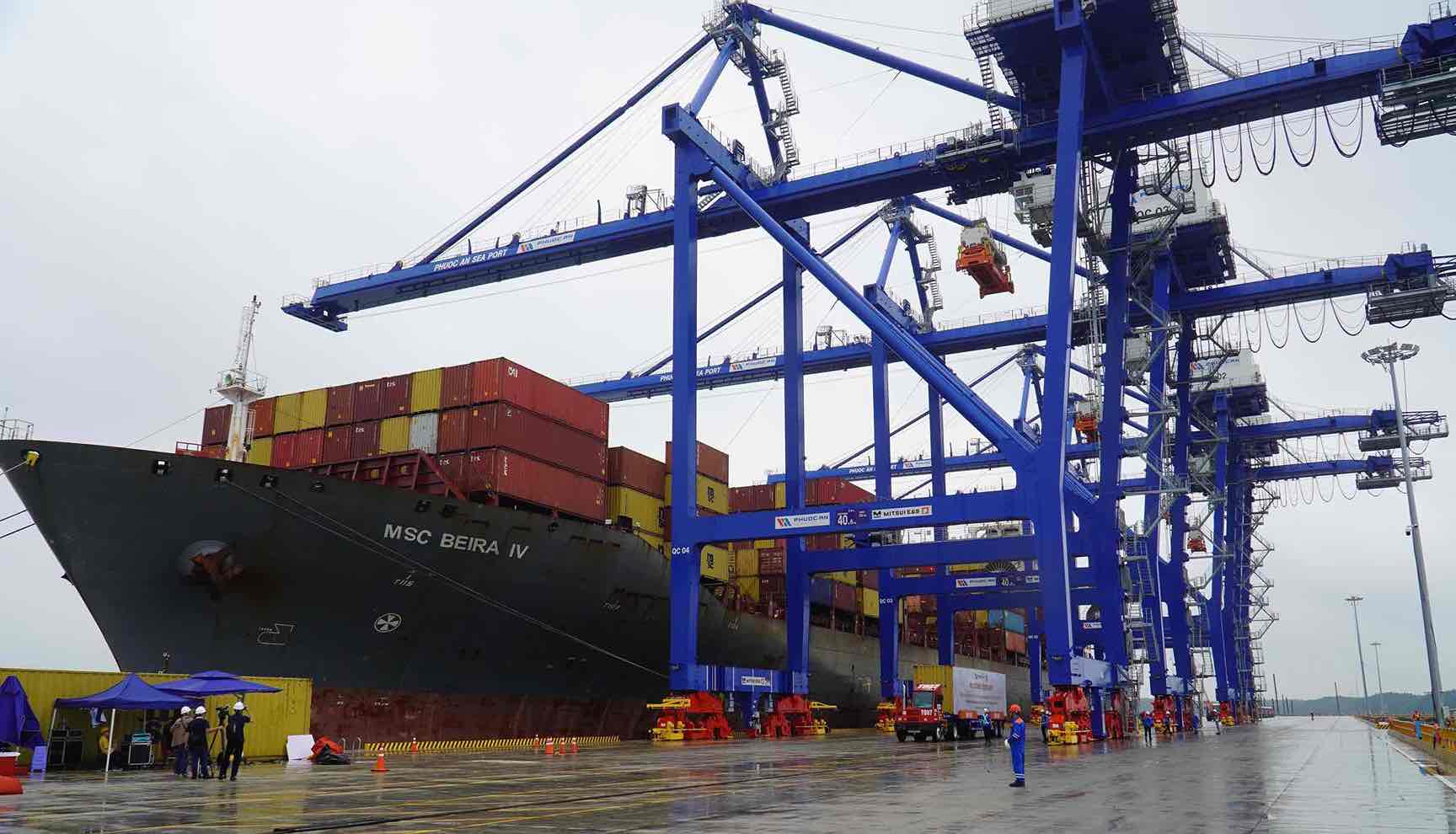
As import-export activity keeps growing, businesses have many options for organizing transport and cargo procedures. Some businesses build an in-house team to handle the entire process, while many choose to hire a Freight Forwarder to optimize time, cost and risk.
So when should you hire a Freight Forwarder instead of doing import-export (XNK) yourself? The article below helps businesses understand the role of a Freight Forwarder, compare the two options and identify the choice that suits their scale and business needs.
What Is a Freight Forwarder?
A Freight Forwarder (an international freight forwarding company) is a business that specializes in organizing, coordinating and managing the transport of goods from the sender to the recipient. Depending on the customer's needs, a Freight Forwarder can support:
- Booking space on a vessel, aircraft or truck.
- Advising on the optimal transport option.
- Carrying out customs procedures.
- Preparing import-export documentation.
- Tracking the cargo schedule.
- Coordinating delivery and receipt at the port or warehouse.
- Helping arrange cargo insurance.
- Advising on the import-export regulations of each market.
Instead of dealing with many different parties, a business only needs to work with a single point of contact to manage the entire transport process.

What Are the Advantages of Doing Import-Export Yourself?
Many large businesses choose to handle import-export themselves for benefits such as:
Being in Control at Every Stage
A business can directly control: documentation, delivery progress, working with shipping lines, customs procedures and international payment. This makes it easier to adjust plans when changes arise.
Saving on Service Fees
With a specialized team and a large cargo volume, a business can save on the cost of hiring an intermediary. However, these savings only become truly effective when the business already has experience and a stable operating process.
Building Internal Capability
Doing it yourself helps a business accumulate experience in: logistics, customs, Incoterms, international payment and supply chain management. This is an advantage for businesses with a long-term development strategy.
The Limitations of Doing Import-Export Yourself
Alongside the advantages, handling the entire process yourself also comes with many challenges.
You Need a Team with Expertise
Staff must be well-versed in: HS codes, tax policy, customs regulations, international documentation and the import regulations of each country. Just one small error can delay clearance or generate costs.
It Is Time-Consuming
A business has to deal directly with: shipping lines, airlines, the port, warehouses, Customs, inland transport providers, banks and foreign partners. Coordinating many parties at once requires a lot of time and resources.
Additional Costs
If the process is not handled correctly, a business may incur: container demurrage, storage fees, DEM/DET charges, document amendment costs, physical inspection costs and additional transport costs.

When Should You Hire a Freight Forwarder?
Below are the situations in which a business should consider using a Freight Forwarder's services.
1. Businesses New to Import-Export
If you lack experience, hiring a Freight Forwarder helps your business: minimize errors, receive guidance on the process, save time and avoid unnecessary costs. This is a suitable solution for businesses new to the international market.
2. No Dedicated Import-Export Department
Many manufacturing or trading businesses only have a few shipments each month, so building a dedicated import-export department may not be optimal. Hiring a Freight Forwarder lets a business use services as needed without investing in extra staff.
3. Shipments with Complex Procedures
Some goods require: quarantine, quality inspection, an import license, a Certificate of Origin (C/O), conformity certification and appraisal certification. An experienced Freight Forwarder helps prepare complete documentation and reduces the risk of complications.
4. Exporting to a New Market
Every country has regulations on: documentation, product labeling, technical standards, quarantine and import duties. A Freight Forwarder with an international agent network helps a business comply correctly with the importing country's regulations.
5. Wanting to Optimize Logistics Costs
Thanks to their large shipping volume, Freight Forwarders often:
- Have competitive rates.
- Get priority for space on vessels or aircraft.
- Propose suitable transport routes.
- Combine multiple services into one package.
This helps a business optimize total logistics costs instead of focusing only on the freight rate.
6. Needing On-Time Delivery
For export orders under contract, delivering on time is a key factor. A Freight Forwarder will track: the vessel schedule, closing time, packing time, clearance progress and the delivery schedule. This helps a business reduce the risk of late delivery and limit damage to its reputation with customers.
7. Wanting to Focus on Core Business Activities
Instead of spending a lot of time on logistics and documentation, a business can focus on: developing products, finding customers, expanding markets, caring for partners and increasing sales. This is why many businesses choose to hire a Freight Forwarder as a long-term partner.
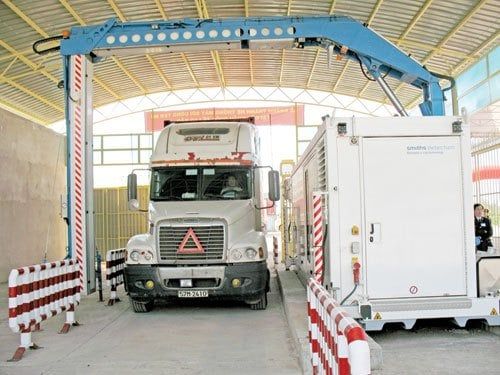
Hiring a Freight Forwarder vs. Doing Import-Export Yourself
| Criterion | Hiring a Freight Forwarder | Doing Import-Export Yourself |
| Experience | A specialized team | Depends on internal staff |
| Staffing investment cost | Low | High |
| Processing time | Fast | Depends on experience |
| Process control | Medium | High |
| Procedural risk | Lower | Higher without experience |
| Best suited for | SMEs, businesses new to import-export | Large businesses with many shipments |
Criteria for Choosing a Reputable Freight Forwarder
When choosing a logistics partner, a business should consider:
- Experience in international transport.
- A thorough understanding of customs procedures.
- An agent network in many countries.
- Transparent quotations.
- The ability to handle incidents.
- Professional customer service.
- Regular tracking and updates on shipment status.
A reputable Freight Forwarder does not just transport goods; it also advises on logistics solutions suited to each type of cargo and each market.
Some Notes When Hiring a Freight Forwarder
For effective cooperation, a business should:
- Clearly define the applicable Incoterms.
- Agree on the scope of work from the outset.
- Carefully check the quotation and all surcharges.
- Prepare complete, accurate documentation.
- Track the transport schedule and stay in regular contact with the forwarder.
Communicating clearly from the start helps limit additional costs and avoid misunderstandings during the process.
Conclusion
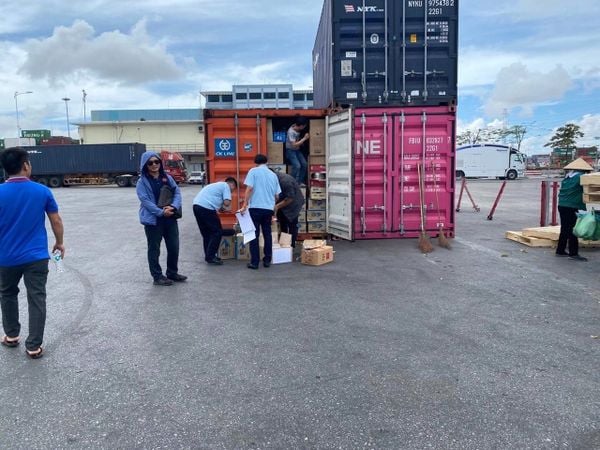
Whether to hire a Freight Forwarder or do import-export yourself has no single answer for every business. If a business has a specialized team, a stable process and a large cargo volume, doing it yourself can offer advantages in control and cost optimization. Conversely, for businesses new to import-export, lacking experience or wanting to focus on core business activities, a Freight Forwarder is a partner that helps reduce risk, save time and improve supply chain efficiency.
Choosing the right option from the start contributes to smooth clearance, on-time delivery and greater competitiveness in the international market. Contact Embassy Freight right away via Hotline: 0936 911 656 for the earliest possible consultation and quotation!
Need a shipping and import-export quotation?
Embassy Freight provides sea freight, air freight, customs declaration and turnkey import-export outsourcing. Get a free quote or explore our services.